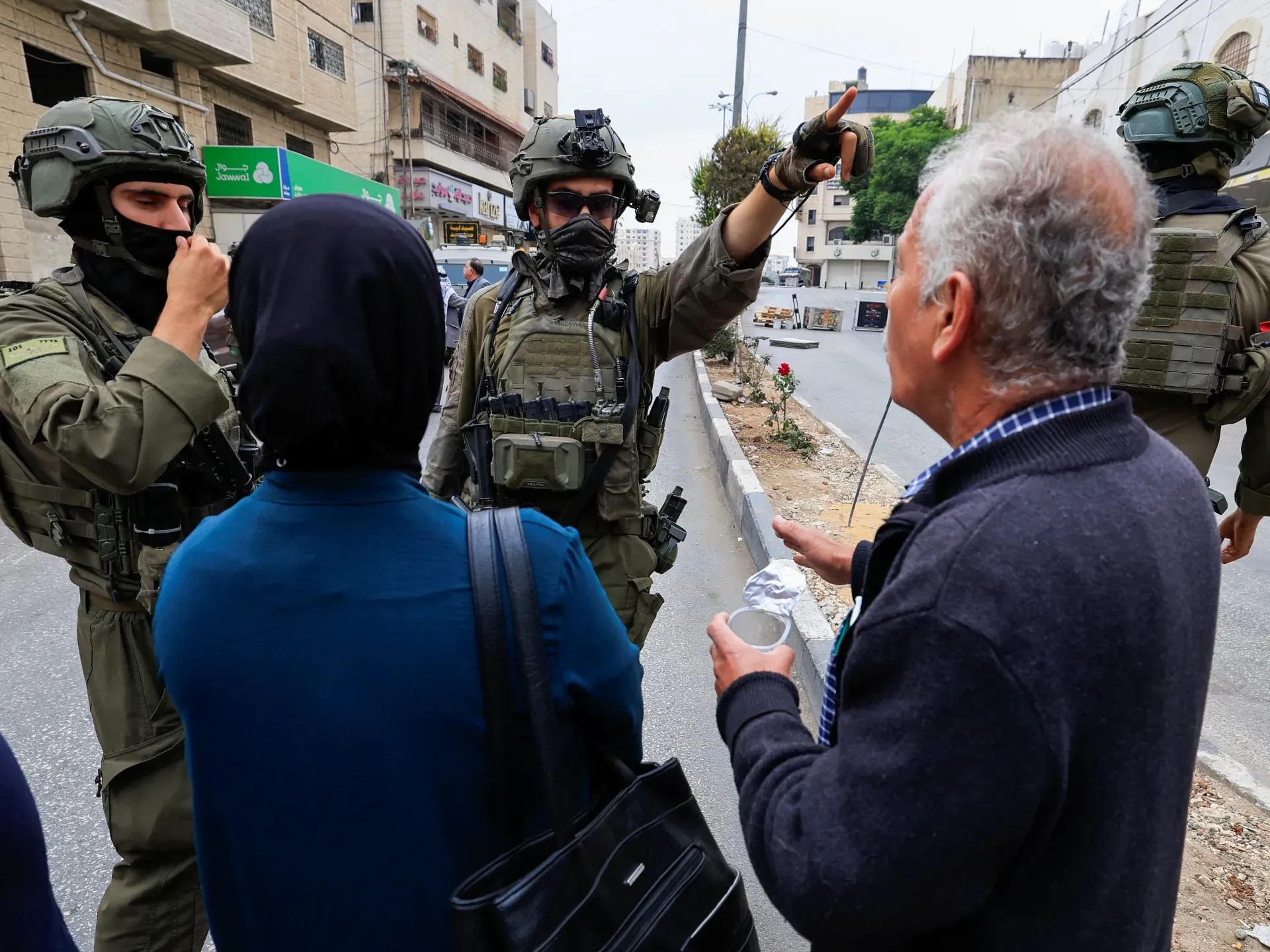
What triggered the 10-day military siege in Hebron?
The Israeli military imposed a total siege on the city of Hebron on October 23, 2026, following a lethal shooting incident. According to reports, two Palestinians carried out an attack that resulted in the deaths of two Israeli soldiers and left three others wounded. Israeli forces responded to the incident by killing the two attackers.
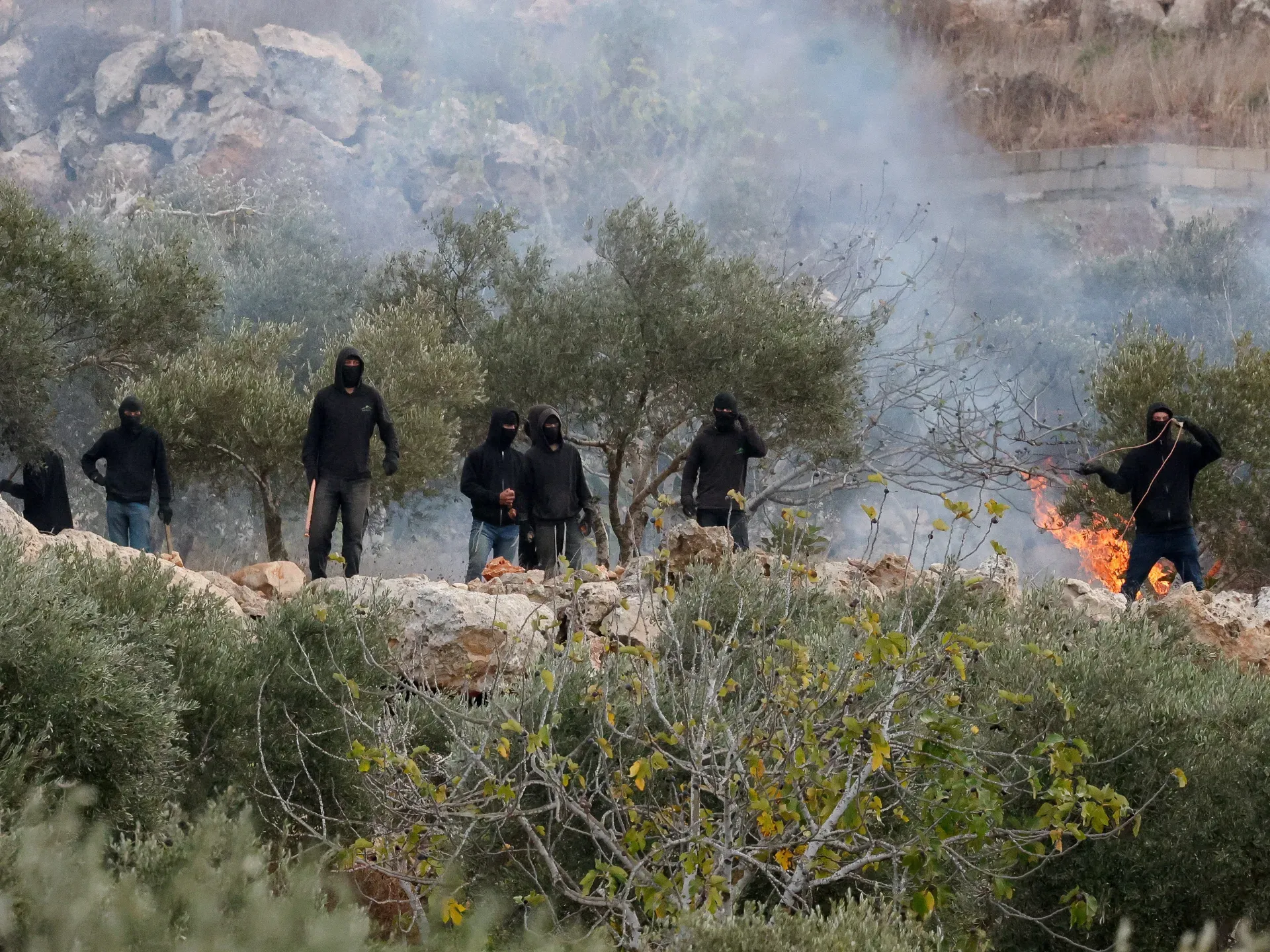
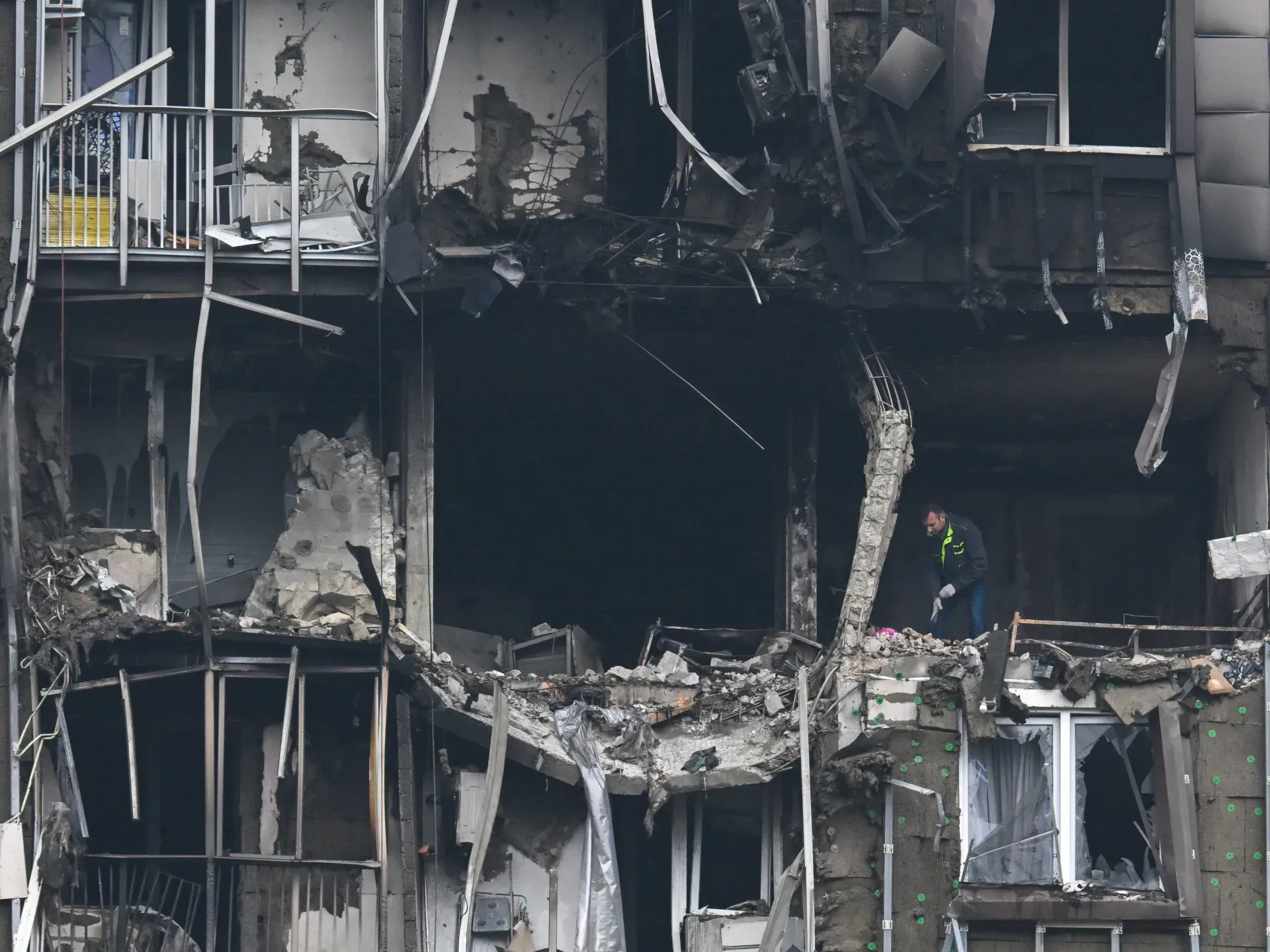
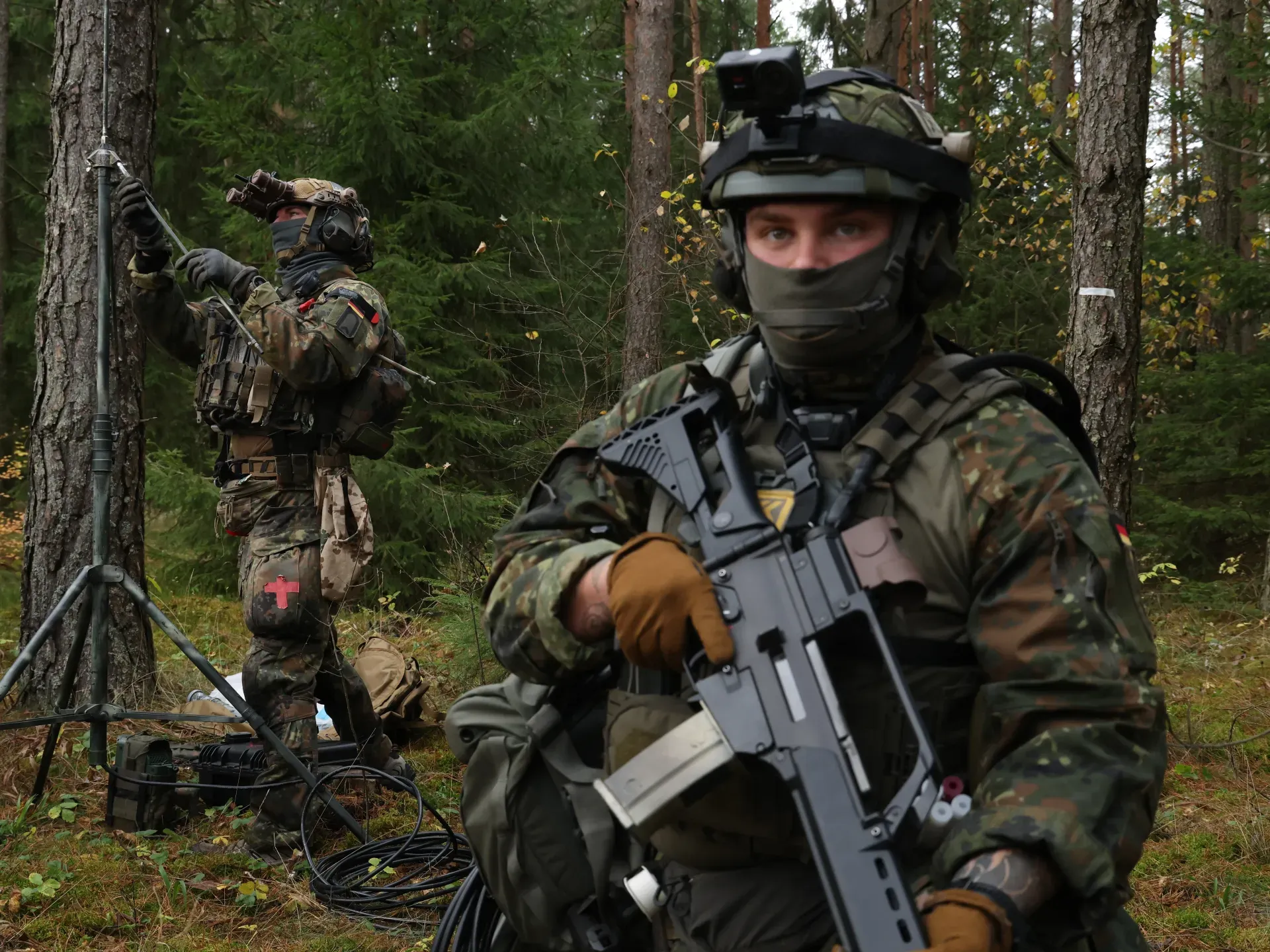
During the ensuing operation, the military implemented a strict blockade of the city and its surrounding villages. This included the seizure of private residences, which were subsequently converted into temporary military posts by Israeli forces. The operation also involved the demolition of the homes belonging to the two attackers, an action that left some local structures in a precarious state.
Structural damage and immediate military response
The military response extended beyond the immediate site of the attack. Palestinian Civil Defence teams reported that some demolished or damaged structures, including the homes of the attackers, left walls in a state of near-collapse, posing a risk to the surrounding area. The siege was characterized by a complete halt to movement, with no entry or exit permitted from the city for the duration of the ten days.
How has the siege affected Hebron's residents and infrastructure?
The humanitarian impact of the siege was widespread, affecting thousands of civilians across the governorate. According to the Hebron governorate, more than 3,300 Palestinians were either displaced or otherwise impacted by the military presence, with significant disruption noted in the al-Jalda and Ein Deir Bahha areas.
Displacement was a central consequence of the operation. The governorate confirmed that 537 families were forced to leave their homes. Beyond the loss of housing, residents reported significant property damage and theft. Returning families noted that the interiors of homes used as military outposts had been wrecked, and some individuals claimed that personal belongings and money had been taken during the occupation of their properties.
The physical destruction was also quantified by the demolition of 15 homes and various other structures. This systematic impact on the built environment has left a significant footprint on the urban fabric of the city, complicating the efforts of local authorities to restore normalcy.
What were the economic and educational consequences of the blockade?
The siege caused a near-total cessation of daily life in Hebron, paralyzing the local economy and the educational system. Hebron Mayor Youssef al-Jaabari noted that all essential services, including health, municipal work, and commerce, had completely stopped during the ten-day period.
The economic toll is evidenced by the following data:
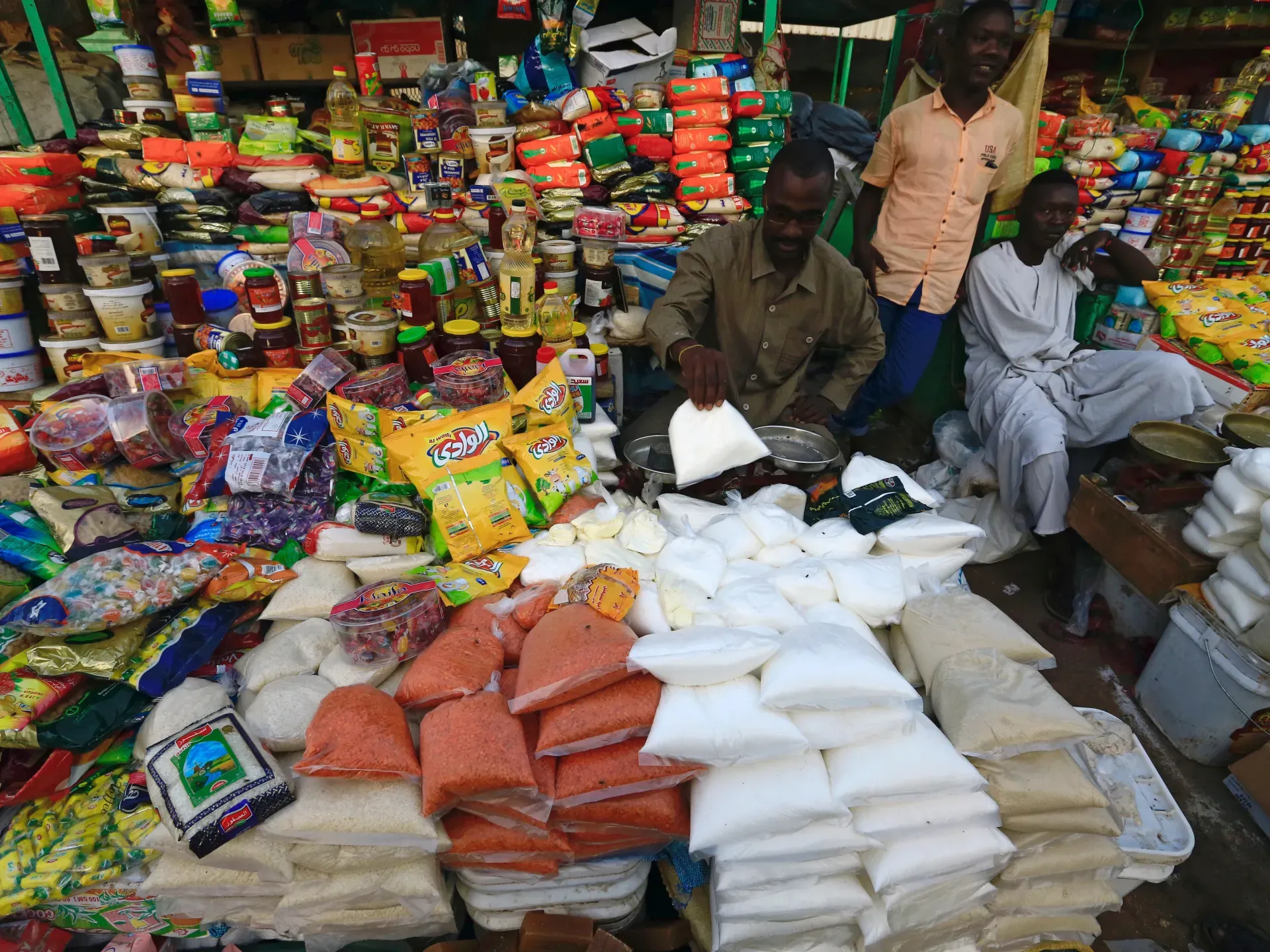
- Business Closures: At least 317 shops were forced to close during the siege.
- Wider Impact: Checkpoint closures affected the broader governorate, which houses approximately 800,000 people.
- Infrastructure: Significant damage was reported to local infrastructure, hindering long-term economic stability.
The educational sector suffered a similar paralysis. For the first time in ten days, students were able to return to their institutions following the withdrawal. During the siege, five universities had been forced to close their doors, leaving university students unable to continue their studies until the military presence was removed.
Why is the military operation being viewed as a shift in tactics?
Political analysts suggest that the Hebron operation represents a strategic change in how Israeli forces manage urban unrest. Ibrahim Rabaia, a political researcher based in Ramallah, characterized the operation as part of a "collective-punishment system" used by Israel. However, he noted a specific shift in the targeting pattern.
Rather than focusing exclusively on the families of attackers or targeting established refugee camps, this operation targeted entire urban neighborhoods. Rabaia suggested that this move appears to be a test of both local and international reactions to a new pattern of large-scale urban siege.
The intersection of military operations and Israeli elections
The timing of the siege has also drawn scrutiny from political experts. Mohamed Helles, an expert on Israeli affairs, observed that the operation was launched shortly before Israel's general election held last month. Helles suggested the move could be interpreted as an attempt by Prime Minister Benjamin Netanyahu and his right-wing allies to gain political leverage at the ballot box.
The political landscape in Israel remains volatile following the election. While Netanyahu's electoral bloc secured the highest number of seats, they failed to achieve a majority, leaving the country without a clear path toward forming a new government. This political uncertainty provides a backdrop to the ongoing tensions in the West Bank.
FAQ: Hebron siege withdrawal
When did the Israeli forces withdraw from Hebron?
Israeli forces began their withdrawal from Hebron on Monday, November 2, 2026. The municipality was officially informed of the withdrawal at 6:00 AM local time, marking the end of a ten-day siege that had paralyzed the city since October 23.
What caused the military siege to begin?
The siege was initiated by the Israeli military on October 23, 2026, in response to a shooting attack. The attack, carried out by two Palestinians, resulted in the deaths of two Israeli soldiers and the wounding of three others.
How many families were displaced during the operation?
According to the Hebron governorate, more than 537 families were displaced due to the military operation. The siege also significantly impacted other areas, particularly al-Jalda and Ein Deir Bahha, affecting a total of over 3,300 Palestinians.
What is the current status of the city?
Following the withdrawal, Palestinian security forces have taken full control of the area. Governor Khaled Dudin stated that authorities are monitoring the situation to ensure that displaced residents can return to their homes safely and that municipal services can resume.
How did the siege affect the local economy?
The siege caused significant economic disruption, forcing at least 317 shops to close. Furthermore, the closure of checkpoints affected the wider governorate of approximately 800,000 people, stalling economic activity and damaging local infrastructure.
Key takeaways
- The 10-day siege in Hebron resulted in the displacement of over 537 families.
- At least 317 shops were forced to close during the military operation.
- Israeli forces demolished 15 homes and other structures during the siege.
- Palestinian security forces have assumed control following the Israeli withdrawal.
Conclusion
The withdrawal of Israeli forces from Hebron marks the end of a period of intense urban siege that has left deep scars on the city's social and economic fabric. While the return of students and families offers a semblance of normalcy, the destruction of homes, the closure of hundreds of businesses, and the displacement of thousands of residents present significant long-term challenges. As Palestinian security forces attempt to stabilize the area, the political implications of the operation—and its timing relative to Israeli elections—continue to be a subject of intense debate among regional analysts.