How many people have been displaced by the siege?
A total of 4,969 people have been forcibly removed from their homes as a result of the ongoing Israeli military operations in Hebron. This figure represents 780 families, or roughly 2 percent of the city's total population of 250,000. The displacement has disproportionately affected vulnerable demographics, including 441 elderly residents, 336 infants under the age of two, and 312 individuals suffering from chronic diseases.
The demographic impact also extends to women and people with disabilities. Data analyzed by Al Jazeera indicates that more than 200 pregnant or nursing women have been displaced, alongside 44 individuals with disabilities. Hebron Mayor Yousef al-Jabari described the situation as a "massive siege and collective punishment," noting that the number of displaced persons doubled in a single 48-hour period between October 24 and October 26.
Living conditions of the displaced
The current housing situation for those forced from their homes is precarious. Of the families whose locations have been tracked, 283 are currently residing with relatives, while 266 are staying in locations categorized by the municipality as unsafe. Very few families have found stable alternative housing; only 23 families have managed to secure rented homes, and none have moved into official shelter centres. Most have sought refuge with host families in nearby neighbourhoods such as Issa.
What is the scope of the military lockdown?
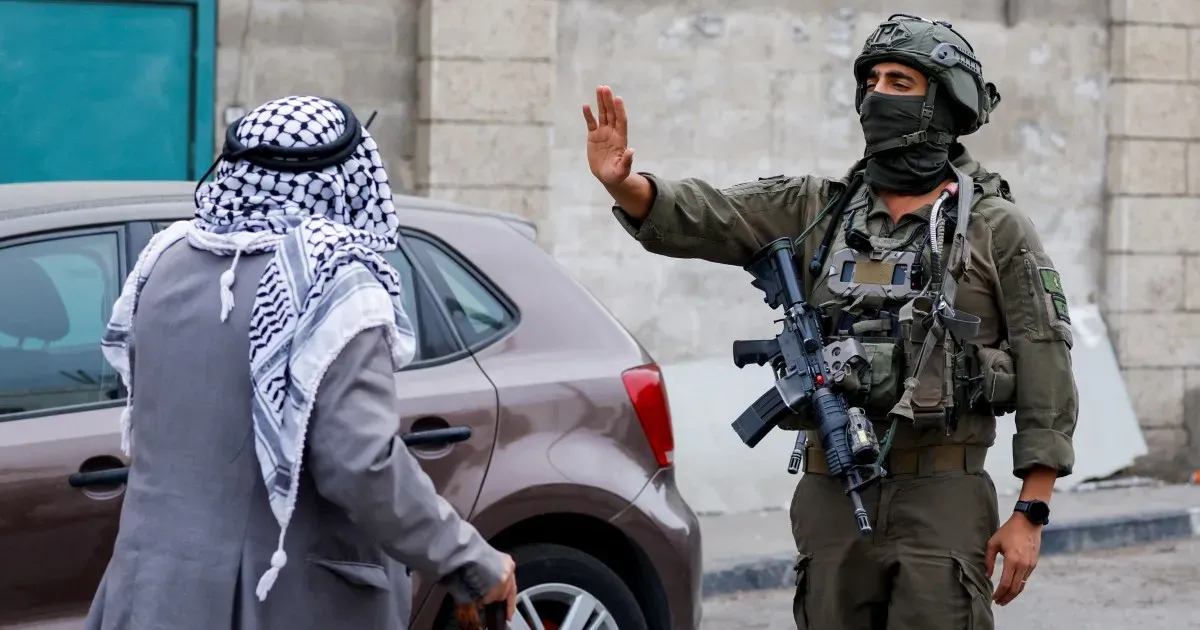
Israeli forces have effectively cordoned off the city by closing 10 strategic entry points located between 2.4km and 7.6km from the city centre. These blockades create a perimeter that restricts movement in all directions. To the north, the closures include Halhul, Nabi Yunus, and Ras al-Jora. The northeast is blocked at Beit Einun, while Bir al-Mahjar serves as a blockade to the northwest.
The southern and eastern flanks are similarly restricted through closures at Jabal Juhar, al-Fahs, Qalqas, al-Harayiq, and Dura. Within the city, a documented military operations zone covers at least 0.29 square kilometres, approximately 40 football fields, situated about 2km west of the city centre. This zone has seen significant structural changes and destruction.
Demolitions and military infrastructure
During the initial stages of the operation on October 23 and 24, Israeli forces demolished a three-apartment residential building in the Farsh al-Hawa area. The military also targeted a ceramics company and various car parts shops, while bulldozing approximately 7,000 square metres of land. In the al-Jalda and Ein Deir Bahha neighbourhoods, residents were ordered to evacuate via loudspeakers at midnight on October 23. Reports from Anadolu indicate that several homes have since been converted into military barracks, some of which now fly Israeli flags.
Why did the military operation begin?
The military siege was triggered on Friday, October 23, following an incident in which two Palestinians shot and killed two Israeli soldiers and injured three others. The Israeli army responded by killing the two attackers. Following the incident, Prime Minister Benjamin Netanyahu announced via social media that he had ordered security forces to close Hebron and prepare for a full lockdown across the West Bank, which he referred to as "Judea and Samaria." According to the Israeli army, the primary objectives of the operation are to thwart terrorism through the search and arrest of suspects and the confiscation of weapons. Defence Minister Israel Katz stated that Palestinians would not be permitted to return to their homes until the "infrastructure" of Hamas is dismantled. However, the operation has faced internal scrutiny; the Israeli news site Ynet reported that the army has seen "limited accomplishments" in its search for weapons and faces "legal difficulties" regarding the prolonged exclusion of residents from their homes.
What is the impact on arrests and interrogations?
The Palestinian Prisoner’s Society (PPS) reports that approximately 110 Palestinians have been arrested across the governorate during the first six days of the operation. The detainees include seven children, individuals with special needs, and dozens of former prisoners. The military has also detained three women, with one remaining under interrogation at the al-Mascobiyeh detention centre. Additionally, eight relatives of the two gunmen involved in the initial attack are being held in interrogation centres.
Beyond formal arrests, the military has conducted hundreds of field interrogations during raids. The PPS has reported that these interrogations, which take place in homes, at checkpoints, and on the streets, have been accompanied by instances of severe beatings and abuse. While the military claims to have discovered a 15-metre-deep underground pit containing an electronic device near an attacker's home, the property owner has denied these claims, stating the excavation is a sewage pit for an area lacking infrastructure.
How has the siege affected the local economy?
The Hebron Chamber of Commerce and Industry estimates that the siege is causing daily commercial losses of approximately 12 million shekels (about $3.8m). The economic paralysis is widespread, affecting the city's industrial heartland. Adnan al-Natsheh, vice president of the Chamber, estimates that factory production capacity has plummeted by between 40 and 60 percent.
The governorate is a critical economic hub, housing approximately 3,500 industrial facilities, including dairy and plastics production. It also contains 70 percent of the gold workshops serving the Palestinian market. The lockdown has completely halted the movement of commercial trucks, further stifling trade. Physical damage is also significant; demolitions in the Farsh al-Hawa area alone have resulted in losses exceeding two million shekels (about $640,000).
Frequently asked questions
How many people are displaced in Hebron?
As of the latest reports, 4,969 people have been displaced by the military siege. This includes 780 families, representing roughly 2 percent of the city's 250,000 residents. The group includes vulnerable individuals such as 441 elderly people and 336 infants under two years old.
What are the daily economic losses in Hebron?
The Hebron Chamber of Commerce and Industry estimates that the siege results in daily commercial losses of 12 million shekels, which is approximately $3.8 million. This is driven by the complete halt of commercial truck movements and a 40 to 60 percent drop in factory production.
How many entry points to Hebron are closed?
Ten entry points have been identified as part of the military blockade. These include Halhul, Nabi Yunus, and Ras al-Jora to the north; Beit Einun to the northeast; Bir al-Mahjar to the northwest; and several closures to the east and south, including Jabal Juhar and Dura.
What is the impact on industrial production?
Industrial production has seen a massive decline, with capacity dropping by 40 to 60 percent. The governorate is home to 3,500 industrial facilities, including significant sectors for plastics, dairy, and 70 percent of the Palestinian market's gold workshops.
Who is being detained during the operation?
The Palestinian Prisoner’s Society reports that about 110 Palestinians have been arrested in the first six days. Detainees include seven children, people with disabilities, and former prisoners, as well as relatives of the two gunmen involved in the initial attack.
Key takeaways
- The Hebron siege has displaced 4,969 people, including hundreds of infants and elderly residents.
- Ten entry points to the city have been blocked, creating a comprehensive military lockdown.
- Daily commercial losses are estimated at 12 million shekels ($3.8m) due to economic paralysis.
- Factory production capacity has fallen by as much as 60 percent across the governorate.
Conclusion
The military siege of Hebron has evolved into a significant humanitarian and economic crisis. With nearly 5,000 residents displaced and the city's commercial life effectively halted, the scale of the disruption is profound. The displacement of vulnerable groups, including infants and the chronically ill, highlights the human cost of the lockdown. Furthermore, the heavy economic losses and the drop in industrial output threaten the long-term stability of the region. As the military continues its operations to dismantle what it describes as terror infrastructure, the tension between security objectives and the humanitarian needs of the 250,000 residents remains acute.