Why are households increasingly investing in emergency preparedness?
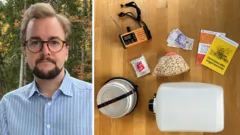
Increasingly, individuals are treating disaster readiness as a matter of personal responsibility rather than a reaction to immediate panic. This shift is often driven by government guidance or direct experiences with infrastructure failure. In Sweden, for instance, the government distributes booklets to every household detailing necessary steps for crises or war. This institutional approach provides a framework for citizens like Andreas Wennerberg, a Stockholm resident, to begin building small-scale stockpiles including crank radios, water, and cash. While such guidance serves as a 'wake-up call,' the level of commitment varies, with some citizens viewing it as a way to gain a sense of security in an uncertain world.
In the United States, the Federal Emergency Management Agency (FEMA) advises citizens to assemble kits, create family plans, and stay informed. For many, the motivation is familial. Dan C, a physiotherapist in Maryland, began his preparations after becoming a parent, viewing the accumulation of supplies as a fundamental duty to his children. His experience with a two-day power outage during a severe winter event highlighted the gaps in his initial readiness, prompting a more robust approach to home security.
How do people manage long-term food and water supplies?
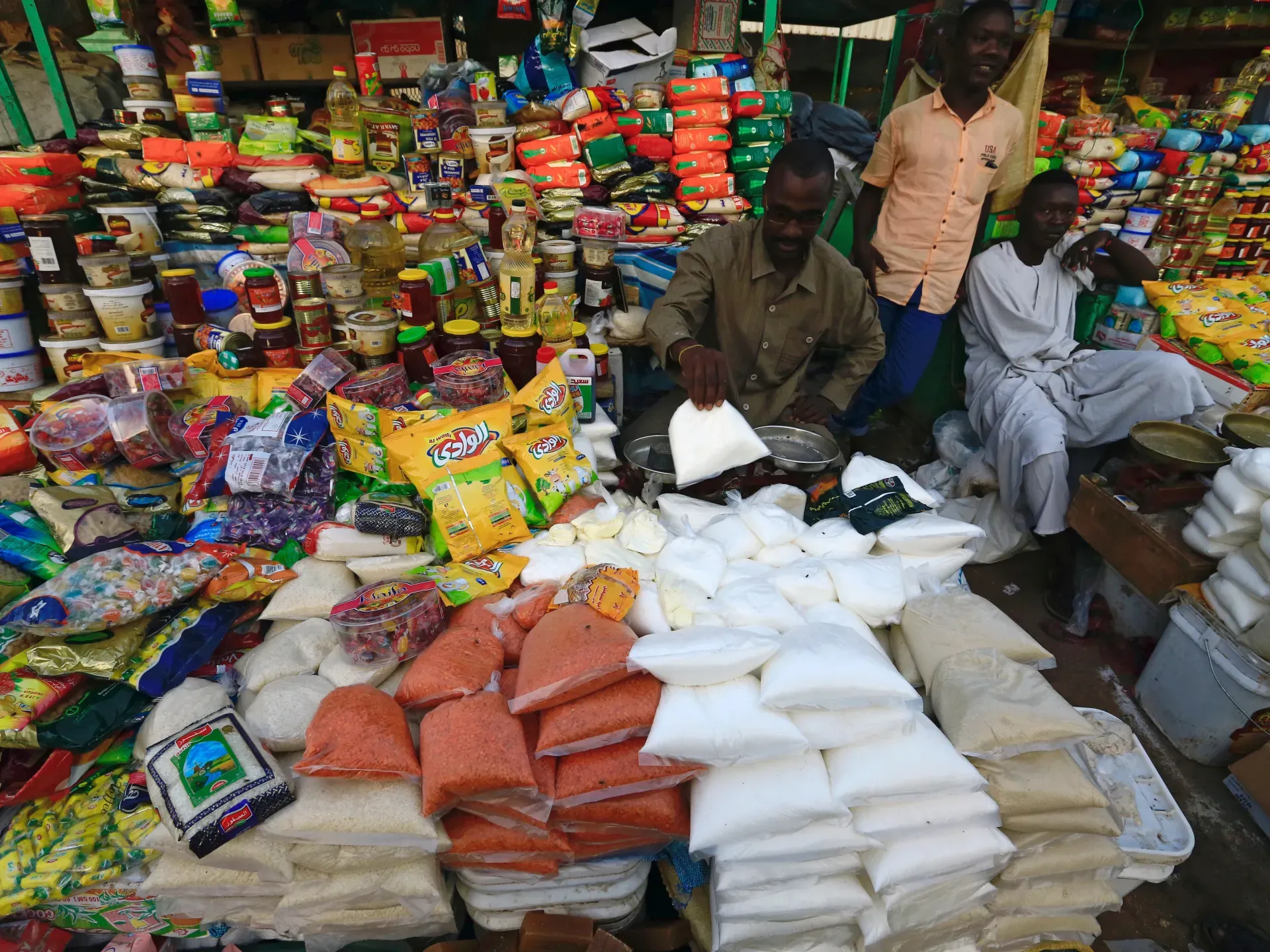
Effective emergency preparedness relies heavily on the concept of a 'rotating pantry' to ensure that supplies remain edible and useful. Rather than allowing stockpiled goods to expire, many prepared households integrate emergency food into their regular consumption. Dan C in Maryland utilizes this method, stocking long-life items such as quinoa, oats, and peanut butter. By regularly cooking and replacing these items, he ensures a three-month supply of food is always available for his family of four without the risk of waste.
Managing water and sanitation during crises
Water security is often the most critical component of a survival kit. Strategies for managing water include:
- Large-scale storage: Storing significant volumes, such as Dan C's 150 gallons of water, in dedicated containers or even in bathtubs.
- Purification tools: Carrying chemical treatments like chlorine dioxide tablets to treat water sourced from natural environments like streams or rivers.
- Minimalist approaches: Maintaining smaller, essential amounts, such as the 10 litres of water kept by Andreas Wennerberg in Sweden.
Sanitation is equally vital. In Japan, where earthquake and typhoon risks are high, preparedness often includes portable hygiene items. Ayumi T, a resident of Tokyo, maintains a rucksack containing disposable toilets, masks, and menstrual products to ensure basic dignity and health when traditional plumbing or sanitation services fail.
What specific items are included in global emergency kits?
The contents of an emergency kit often reflect the specific regional threats faced by the individual. In Japan, the Tokyo government provides a comprehensive 68-page disaster prevention guide, which influences how residents like Ayumi T curate their gear. Her kit, kept in a wardrobe for quick access, focuses on immediate survival and personal hygiene, including towels, clothing, and disposable chopsticks.In contrast, residents in regions prone to severe weather or geopolitical tension may prioritize communication and power. Michael Stuut in the Netherlands, living in an area below sea level, maintains a kit that includes high-tech solutions like a Starlink Mini satellite device to ensure internet access when traditional networks fail. His inventory also covers the basics: a generator, cash, a first-aid kit, and approximately 120 litres of water stored in an attic or crawl space.
Other common items found in international kits include:
How do individuals balance cost and preparedness?
Building a comprehensive stockpile can be a significant financial undertaking, requiring different economic strategies to remain sustainable. For some, it is a large-scale investment; Dan C has spent approximately $6,000 (£4,470) to secure his family's needs. For others, the approach is incremental. Nicole Bonds, a leadership coach in Atlanta, manages the cost by purchasing small amounts of supplies 'here and there' over several years. This gradual accumulation allows her to build a significant stock of batteries, power banks, and hygiene products without a sudden financial burden.
The psychological aspect of preparedness also plays a role in how these kits are managed. While some view the process as potentially 'catastrophising,' many see it as a way to maintain composure. Michael Stuut notes that being prepared is not about living in fear, but about being 'the calm one when the lights go out.' By using digital tools, such as the app he created to track food expiration dates, he turns a potentially overwhelming task into a manageable, organized system. This methodical approach helps mitigate the stress of potential disruptions and ensures that the household is ready to act decisively when an emergency occurs.
FAQ: Emergency Preparedness
What is a rotating pantry?
A rotating pantry is a method of managing emergency food supplies by incorporating them into regular household meals. Instead of letting canned or dried goods expire on a shelf, families use the oldest items first and replace them with new ones, ensuring a fresh and usable stockpile is always available.
How much water should a household store for an emergency?
While specific needs vary, some individuals store significant amounts, such as 150 gallons, to cover long durations. A common baseline is to ensure access to clean drinking water through storage containers or purification tablets like chlorine dioxide, which can make untreated water safe for consumption.
Why do some governments issue preparedness booklets?
Governments, such as those in Sweden and Japan, issue guides to provide standardized, actionable advice to citizens. These booklets help reduce public panic by detailing exactly what to stock up on and how to respond to specific scenarios like natural disasters, extreme weather, or geopolitical conflicts.
Is emergency stockpiling expensive?
The cost can range from small, incremental purchases to significant investments. Some people spend thousands of dollars on comprehensive systems including solar power and large water reserves, while others maintain affordability by gradually adding small items like batteries and hygiene products to their kits over time.
How long should emergency food supplies last?
Preparedness levels vary, but some households aim for a three-month supply of food. This is often managed through the rotation of long-life goods like grains and proteins. Other guidelines, such as those from the UK or Netherlands, may suggest a minimum of 72 hours of essential supplies.
Key takeaways
- Rotating pantries ensure emergency food stays fresh by integrating it into daily meals.
- Government guidance in Sweden and Japan helps citizens standardize their disaster readiness.
- Preparedness strategies vary from high-tech satellite internet to simple hygiene kits.
- Incremental purchasing allows individuals to build stockpiles without immediate financial strain.
- Water security is achieved through large-scale storage and chemical purification methods.
Conclusion
Emergency preparedness is a multifaceted practice that varies significantly based on geography, culture, and personal circumstances. Whether through the high-tech satellite communications used in the Netherlands or the gradual, affordable accumulation of supplies in the United States, the goal remains consistent: maintaining stability during periods of crisis. As global weather patterns become more unpredictable and geopolitical tensions rise, the transition from reactive panic to proactive, organized readiness appears to be a growing global trend. Ultimately, these diverse strategies serve to empower individuals, providing the tools and mental composure necessary to navigate unforeseen disruptions effectively.
| Category | Common Items |
|---|---|
| Communication & Power | Crank radios, power banks, solar panels, satellite devices, batteries |
| Hygiene & Health | First-aid kits, bleeding control kits, masks, wipes, disposable toilets |
| Shelter & Warmth | Tents, sleeping bags, blankets, rechargeable fans, propane heaters |
| Essential Tools | Camping stoves, torches, flashlights, multi-tools |