How has personal bereavement impacted medical professionals in Gaza?
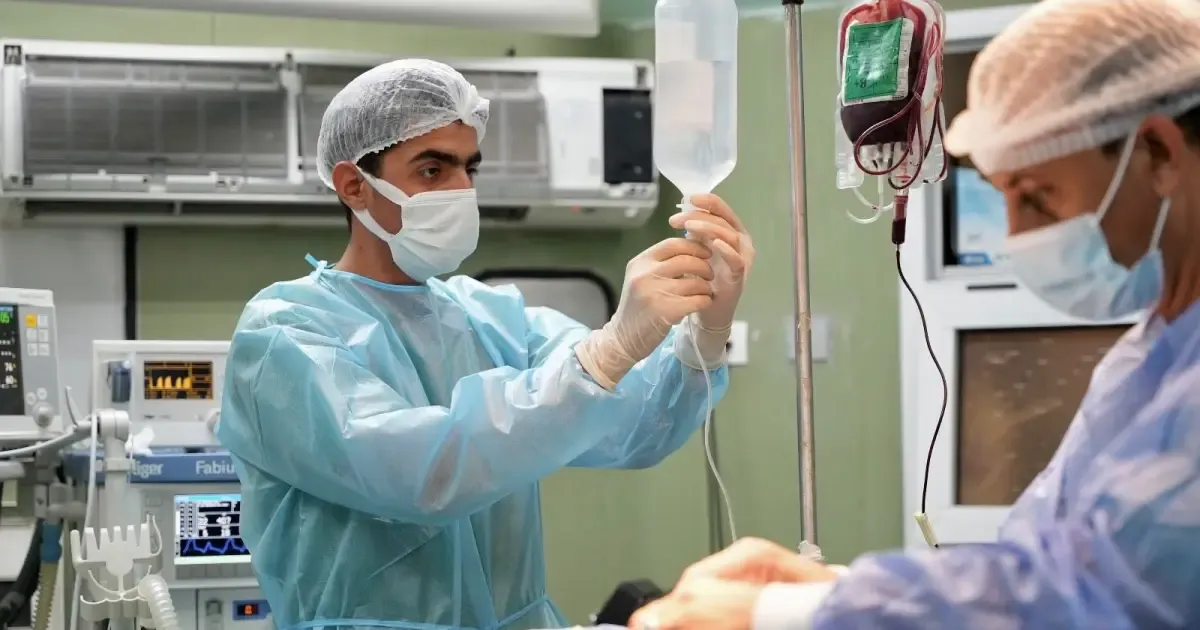
Medical professionals in Gaza are increasingly finding themselves in the dual role of life-saving provider and grieving family member. The intersection of professional duty and personal loss has created a unique form of psychological devastation that often renders practitioners unable to continue their work.
For many, the workplace—once a site of humanitarian purpose—has been transformed into a landscape of trauma. Manar Fayyad, a 29-year-old anaesthesiologist at Al-Aqsa Martyrs Hospital, provides a harrowing example of this shift. While preparing to administer anaesthesia to a critically injured patient, he discovered the man was his brother, Shadi, who had been killed in an Israeli air strike on December 27, 2023. The shock of recognizing his brother's clothing and face in the operating room led to a complete psychological breakdown, forcing Fayyad to abandon his medical career entirely.
Similarly, Khaled Raafat, a 29-year-old nurse in the emergency department at Al-Aqsa Martyrs Hospital, faced an overwhelming loss when an air strike on his family home killed his wife, children, mother, and several siblings on October 18, 2023. While he was at the hospital attempting to save others at the time, the event fundamentally altered his ability to function. Raafat noted that the hospital, previously a symbol of his humanitarian mission, became a permanent trigger for personal pain. Although he eventually managed to return to work by seeking psychological recovery and rebuilding his personal life, his experience highlights the extreme resilience required to remain in the field.
The workplace as a site of trauma
The psychological impact is often localized to specific medical environments. Nurse Hiba al-Tawil, 39, experienced this when her brother died in the intensive care unit at the Nasser Medical Complex in Khan Younis. The environment itself became a source of distress, eventually necessitating her transfer to a different department to create enough distance from the site of her bereavement to continue working.
What are the statistics regarding medical personnel casualties and mental health?
The scale of the crisis is reflected in both the loss of physical life and the erosion of mental well-being among the surviving workforce. The sheer volume of casualties among healthcare staff has created a vacuum in the medical infrastructure that is difficult to fill.
According to Gaza’s Government Media Office, the human cost is immense, with at least 1,700 medical personnel killed in attacks during the war. Additionally, 83 healthcare workers remain in Israeli detention. These figures represent a significant loss of specialized human resources, contributing to what official reports describe as a "diminished capacity" in the healthcare system.
Beyond the fatalities, the psychological data reveals a workforce under unprecedented strain. A study published in the Public Library of Science found that:
- 41% of medical workers reported losing family members.
- 46% experienced both personal bereavement and displacement from their places of work.
- 78% of healthcare workers in Gaza lacked access to necessary mental health services.
This gap between the intensity of the trauma and the availability of support creates a dangerous environment where medical staff are expected to treat others while their own psychological stability is rapidly deteriorating.
How is the trauma affecting the stability of the Gaza health system?
The cumulative effect of death, detention, and psychological trauma is driving a significant "brain drain" within the Gaza health sector. As professionals leave the field due to trauma or displacement, the remaining staff face even greater pressures, creating a self-perpetuating cycle of exhaustion and diminished care quality.
Munir al-Bursh, the director general of Gaza’s Ministry of Health, has highlighted the impossible position in which doctors find themselves. He stated that medical staff are caught between the professional duty to save lives and the immense pain of losing their own loved ones. This conflict, combined with constant pressure and a lack of rest, threatens the very foundation of the healthcare system.
The systemic instability is characterized by several interlocking factors:
- Staff Shortages: The loss of experienced doctors and nurses through death and injury makes it nearly impossible to provide adequate rest for those remaining.
- Operational Pressure: The continuous influx of wounded patients and the lack of replacement staff increase the workload on an already depleted workforce.
- Resource Scarcity: Shortages of essential medical equipment compound the stress of practitioners who are already struggling with mental health issues.
The Ministry of Health emphasizes that protecting medical personnel must extend beyond providing medicine and equipment; it must include safeguarding their mental health and providing structured time for recovery to prevent a total collapse of human resources.
What psychological support is available for Gaza's medical staff?
Despite the massive gap in service availability, some specialized psychological interventions exist, though they struggle to meet the overwhelming demand. Treatment focuses on mitigating the long-term effects of post-traumatic stress disorder (PTSD) and other trauma-related conditions.
At the Nasser Medical Complex, a psychological clinic provides targeted support for doctors and nurses. Reham Abu Rokba, a psychologist at the complex, explains that the clinical process involves a multi-step approach to managing the profound psychological disorders that arise from war experiences.
The treatment protocol typically includes:
- Initial Assessment: Evaluating the patient's current psychological state and the severity of their symptoms.
- Diagnosis: Determining the specific nature of the psychological impact, such as PTSD.
- Impact Analysis: Assessing how these symptoms interfere with the individual's daily life and professional capabilities.
- Tailored Treatment Plans: Developing specific interventions, which may include cognitive behavioural therapy (CBT) to help patients understand and manage their traumatic responses.
However, the ability of these clinics to stem the tide of medical professionals leaving the field is limited by the sheer scale of the trauma and the lack of widespread access to such services across the Gaza Strip.
Frequently asked questions
How many healthcare workers have been killed in Gaza?
According to Gaza’s Government Media Office, at least 1,700 medical personnel have been killed during the ongoing conflict. This figure represents a significant loss of essential human resources for the Gaza healthcare system, contributing to a diminished capacity to provide medical care.
What percentage of Gaza's healthcare workers lack mental health support?
At least 78% of healthcare workers in Gaza have reported lacking access to mental health services. This significant gap is critical because many staff members are experiencing severe trauma, bereavement, and displacement while attempting to maintain their professional duties.
Can medical staff in Gaza still function effectively?
Many staff members are struggling to function due to the dual burden of treating patients and experiencing personal loss. While some, like Khaled Raafat, have found ways to rebuild and return to work, others, like Manar Fayyad, have been forced to leave the profession entirely due to trauma.
What are the main causes of psychological trauma among Gaza's doctors?
The primary causes include witnessing horrific injuries and death, losing family members in air strikes, being displaced from workplaces, and working under relentless pressure without adequate rest or psychological support to process the continuous exposure to violence.
How does the trauma affect the overall healthcare system?
The trauma leads to a "loss of human resources" as doctors and nurses leave the medical field. This creates a shortage of staff, increases the workload on those remaining, and reduces the overall capacity of the health system to respond to the ongoing medical needs of the population.
Key takeaways
- At least 1,700 medical personnel have been killed in Gaza during the current conflict.
- 78% of Gaza's healthcare workers lack access to necessary mental health services.
- Personal bereavement and workplace displacement affect 41% to 46% of medical staff.
- Psychological trauma is causing a significant loss of human resources in the healthcare sector.
Conclusion
The psychological crisis facing Gaza's medical workforce is as devastating as the physical destruction of the healthcare infrastructure. The transition of medical professionals from healers to bereaved survivors has created a profound mental health emergency that threatens the long-term viability of the region's health system. While some individual practitioners demonstrate remarkable resilience, the systemic lack of mental health support and the continuous loss of skilled personnel suggest a deepening humanitarian catastrophe. Addressing this "brain drain" will require more than just medical supplies; it demands a concerted effort to provide the psychological and social stability necessary for those who save others to also heal themselves.