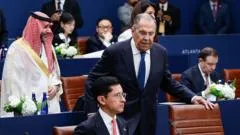
Why was the G20 'family photo' cancelled in Atlanta?
The official G20 'family photo' was cancelled on Friday morning because several participating delegations refused to stand alongside Russian Foreign Minister Sergei Lavrov. This ceremonial tradition, which typically includes representatives from all attending nations, was scrapped by the American hosts to avoid a diplomatic impasse during the high-level gathering.
According to two officials who confirmed the news to the BBC, the cancellation occurred after it became evident that certain delegations were unwilling to participate in a joint image with the Russian minister. US officials stated that the decision was made to ensure the focus remained on the primary objectives of the meeting rather than on a symbolic gesture that had become contentious.
The US administration's rationale
A US official explained that the decision to forgo the photo was a strategic move to maintain the productivity of the summit. By cancelling the session, the hosts aimed to prevent a 'ceremonial photo opportunity' from evolving into a 'diplomatic distraction.' This approach prioritizes the substantive discussions required of the world's largest economies over the traditional protocols of multilateral summits.
Which nations led the refusal to participate?
The United Kingdom was among the prominent countries that declined to take part in the joint photograph. British Foreign Secretary Ed Miliband is present at the meeting in Atlanta, but the UK's stance remained firm regarding the inclusion of Russian leadership in ceremonial settings.
A British official clarified the nation's position, stating that the UK maintains a longstanding policy of avoiding direct, bilateral engagement with Russian ministers following the 2022 invasion of Ukraine. The official emphasized that the UK does not intend to alter this diplomatic stance, even within the framework of a major international summit like the G20.
How has the US-Russia relationship changed recently?
Relations between the United States and Russia have undergone a partial thaw in recent weeks, marked by significant policy shifts under the Trump administration. This shift is characterized by a move toward pragmatic economic engagement, even as it creates friction with European allies and Ukraine.
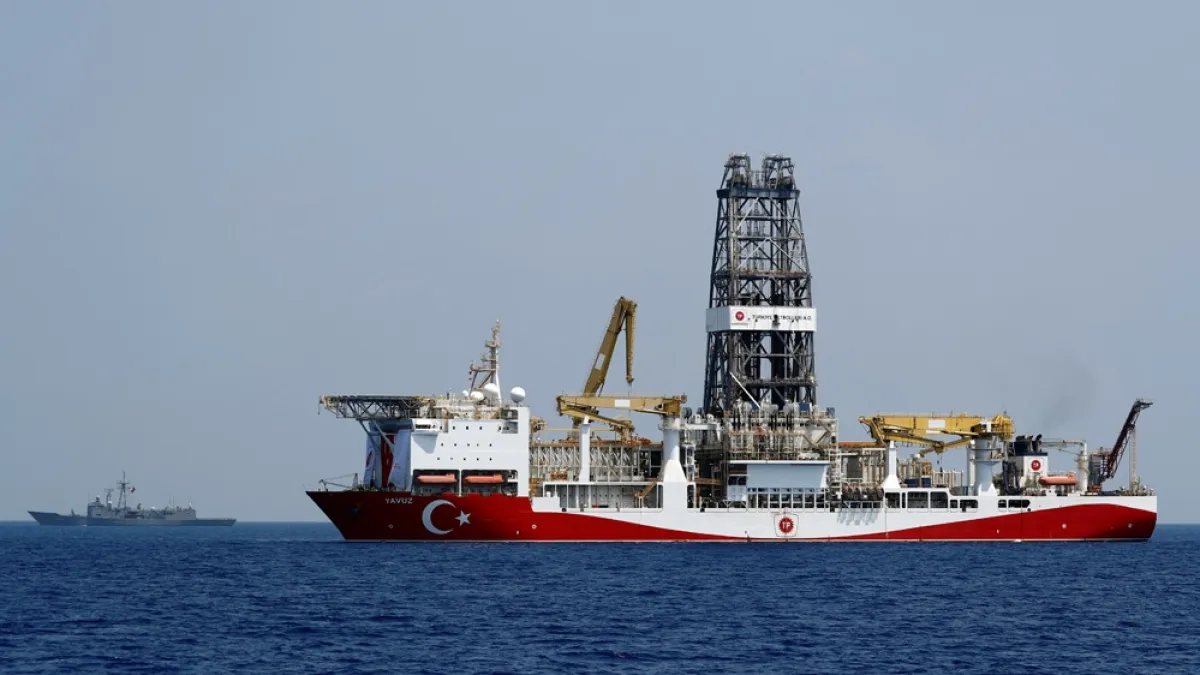
President Donald Trump has recently taken steps to ease tensions with Moscow through specific economic concessions. These include the waiver of certain sanctions and the agreement to a deal allowing the import of Russian diesel into the American market. This policy shift is viewed by some as an attempt to lower domestic fuel prices in anticipation of the US mid-term elections scheduled for early November.
Economic drivers and political context
The decision to import Russian diesel comes at a complex political moment for the US administration. Having spent months managing the political fallout from the Iran war, the administration is now navigating the domestic necessity of stabilizing energy costs. This economic pragmatism stands in stark contrast to the diplomatic isolation previously sought by the West against the Kremlin.
What is the impact on Ukraine-US relations?
The shifting US stance toward Russia has exacerbated a diplomatic standoff between President Volodymyr Zelensky and US President Donald Trump. This tension is rooted in both the handling of the conflict in Ukraine and recent specific military actions involving Russian infrastructure.
Tensions have escalated this month due to disagreements over Ukrainian strikes on oil infrastructure located within Russian territory. While Ukraine seeks continued support to defend its sovereignty, the US administration's recent moves toward Moscow have been met with intense criticism from Kyiv. Notably, Ukraine was not invited to this specific G20 meeting, despite having been included in similar high-level gatherings in previous years.
Zelensky's reaction to the US-Russia deal
President Zelensky has been vocal in his opposition to the recent US-Russia agreements. He described the decision to engage economically with Moscow as a 'gift' to President Vladimir Putin. According to Zelensky, such moves represent an investment in a conflict that should be brought to an end rather than being prolonged through concessions.
What is the current status of the Russia-Ukraine conflict?
The conflict remains a central driver of global diplomatic volatility, with Russia continuing to hold significant portions of Ukrainian territory. Since the full-scale invasion began in 2022, the geopolitical landscape has been defined by ongoing military aggression and shifting international alliances.
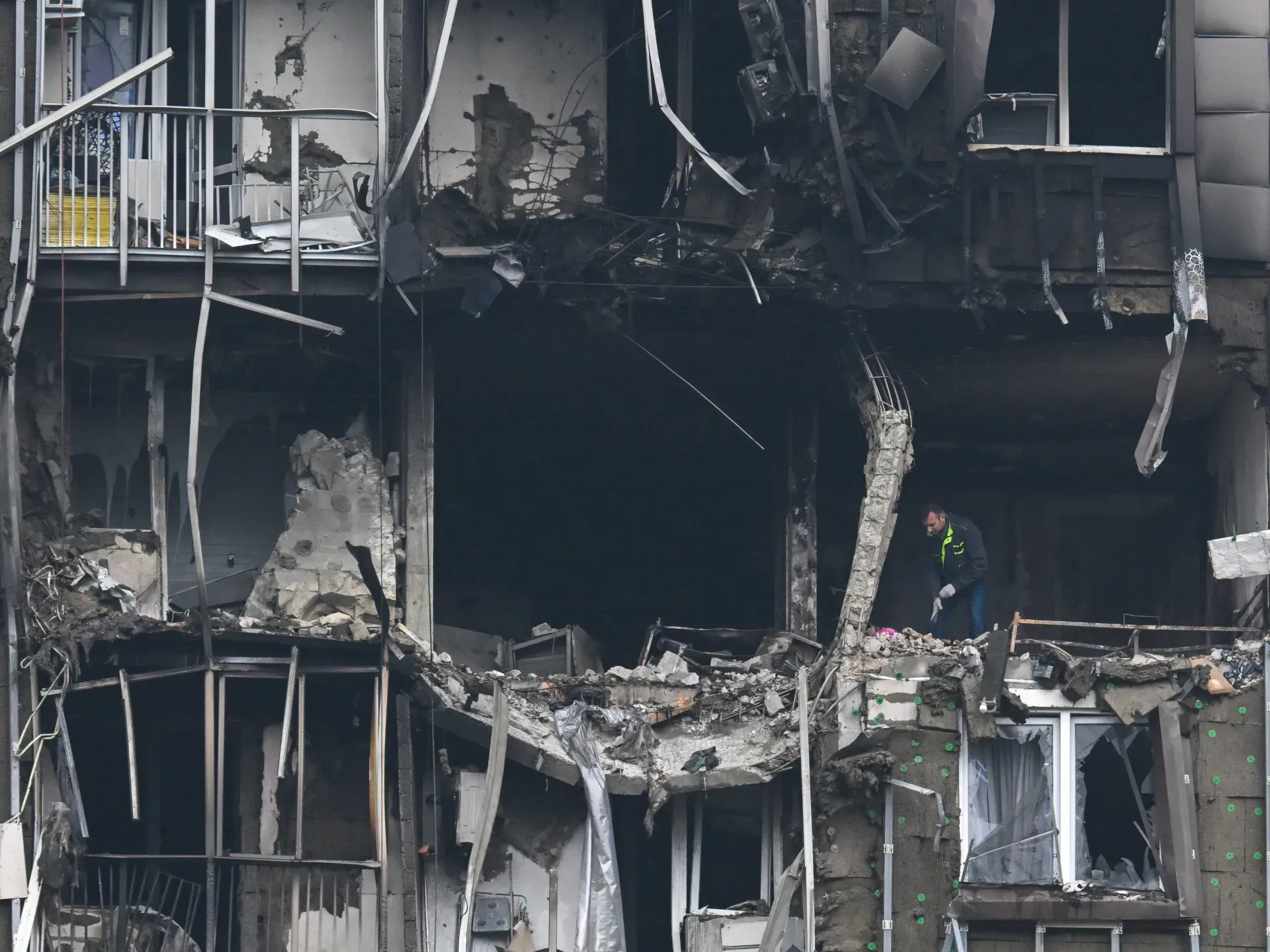
Currently, Russia controls approximately one-fifth of Ukrainian territory. The conflict has seen a recent intensification of hostilities, with Moscow launching increased missile and drone strikes against Kyiv and other major Ukrainian urban centers. This military pressure continues to shape the diplomatic maneuvers seen at forums like the G20.
Russia's position on energy exports
In response to the shifting international landscape, Russia has adjusted its own energy policies. Earlier this year, Moscow introduced a ban on diesel exports, but President Vladimir Putin has indicated a willingness to supply both the United States and the broader global market with oil and petroleum products. This willingness to engage is a key component of the recent diplomatic shifts being observed in Washington.
Frequently asked questions
Why was the G20 photo cancelled?
The photo was cancelled because several delegations, including the UK, refused to participate in a group picture that included Russian Foreign Minister Sergei Lavrov. The US hosts decided to cancel the event to prevent a ceremonial moment from distracting from the meeting's substantive diplomatic discussions.
What is the UK's official stance on Russia?
The UK maintains a longstanding policy of refusing direct, bilateral engagement with Russian ministers. This policy has been in place since the 2022 invasion of Ukraine and remains unchanged, as confirmed by British officials during the G20 meeting in Atlanta.
Why is the US importing Russian diesel?
The US has agreed to import Russian diesel as part of a broader effort to lower fuel prices within the United States. This move is strategically timed ahead of the US mid-term elections in November and follows a partial thaw in US-Russia relations.
How has Ukraine responded to US policy shifts?
Ukraine has heavily criticised the US administration's recent deals with Russia. President Zelensky described the easing of sanctions and energy deals as a "gift" to Vladimir Putin that risks prolonging the war instead of ending it.
What is Russia's current control in Ukraine?
Russia currently controls approximately 20% of Ukrainian territory following its full-scale invasion in 2022. The situation remains highly volatile, with recent increases in Russian missile and drone attacks targeting Ukrainian cities.
Key takeaways
- The G20 'family photo' in Atlanta was cancelled due to protests against Russian Foreign Minister Sergei Lavrov's presence.
- The United Kingdom refused to participate, citing a long-standing policy against bilateral engagement with Russian ministers.
- The US administration opted to cancel the photo to prioritize substantive diplomatic discussions over ceremonial distractions.
- President Trump has recently waived certain sanctions and agreed to import Russian diesel to lower US fuel prices.
- Ukraine has criticized these US-Russia developments, with President Zelensky calling them an investment in a prolonged war.
The shifting landscape of global diplomacy
The cancellation of the G20 family photo serves as a potent symbol of the fractured state of international relations. While the US administration pursues a path of economic pragmatism to address domestic energy concerns, its allies remain committed to the diplomatic isolation of Moscow. This divergence creates a complex environment where traditional multilateral symbols are increasingly replaced by fragmented, interest-driven engagements. As the conflict in Ukraine continues to evolve, the tension between Western unity and the shifting priorities of the United States will likely remain a defining feature of global geopolitics.