Objectives of the leadership training initiative
The primary motivation behind the Ethiopian military training for senior officials is the cultivation of a leadership class that embodies discipline and accountability. Prime Minister Abiy Ahmed has framed this program as a necessary step toward achieving what he describes as universal prosperity. By integrating military principles into civilian governance, the administration seeks to bridge the gap between strategic planning and decisive execution.
According to the Prime Minister, military institutions provide unique lessons in patriotism, teamwork, and moral strength. Abiy has made a distinction between civilian and military objectives, noting that while soldiers focus on targets and civilians on goals, both must ultimately strive for victory. The administration argues that this synthesis of disciplines will produce a generation of leaders capable of handling the complexities of modern governance through heightened physical and intellectual readiness.
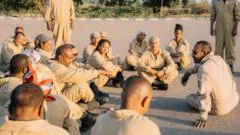
High-ranking officials participating in exercises
The training program includes a significant portion of Ethiopia's top political leadership, making it a rare occurrence in the country's political history. Social media images released by the Prime Minister confirm that the exercises are taking place at the Hurso military training centre. The participation of high-level figures suggests a top-down approach to this new leadership doctrine.
Among those undergoing the training are several key members of the administration, including:
- Speaker of the House of Federation, Muferiat Kamil
- Finance Minister, Fitsum Assefa
- Health Minister, Mekdes Daba
While the specific duration and commencement date of the program remain undisclosed, the involvement of deputy ministers and heads of various government institutions indicates a broad-based effort to reshape the bureaucratic culture through military-style rigor.
Security context and regional stability
Ethiopia is currently navigating a period of intense internal and external security pressures that may be influencing this shift toward militarized leadership training. The nation faces persistent instability across multiple regions, requiring a government that is both physically and strategically prepared. The emphasis on military preparedness reflects the administration's response to these ongoing threats.
The security landscape is characterized by several critical factors:
Internal conflicts
Ongoing fighting continues in parts of the northern Tigray region, alongside active conflict in the Amhara region and widespread insecurity within Oromia. These domestic challenges necessitate a high degree of coordination and discipline within the state apparatus.
Regional tensions
Beyond its borders, Ethiopia is experiencing heightened tensions with neighboring Eritrea. There are significant concerns regarding the potential for renewed conflict between the two nations, making national readiness a central pillar of Abiy's current political agenda.
Frequently Asked Questions
Why are Ethiopian ministers undergoing military training?
The training is intended to instill military-grade discipline, teamwork, and accountability within the civilian leadership. Prime Minister Abiy Ahmed believes that these qualities are essential for the country to achieve its development goals and maintain the physical and moral strength required for effective governance.
Where is the training taking place?
The senior government officials and cabinet ministers are currently conducting their military exercises at the Hurso military training centre. This location serves as the hub for the physical and strategic drills being undertaken by the participating ministers and heads of institutions.
Who are the key officials involved in the program?
The program includes several high-profile leaders, such as the Speaker of the House of Federation, Muferiat Kamil, as well as the Finance Minister, Fitsum Assefa, and the Health Minister, Mekdes Daba. Many other deputy ministers and institutional heads are also participating.
Synthesis of leadership and security
The decision to subject Ethiopia's civilian leadership to military training represents a significant shift in the country's approach to governance and national stability. By attempting to merge the discipline of the armed forces with the objectives of civilian administration, Prime Minister Abiy Ahmed is seeking to create a more resilient state structure. However, this move occurs against a backdrop of deep-seated regional conflicts and external tensions. Whether this integration of military values will successfully translate into improved governance or more effective responses to the nation's security crises remains a critical question for Ethiopia's future stability and development.