The conclusion of a decade-long sentence
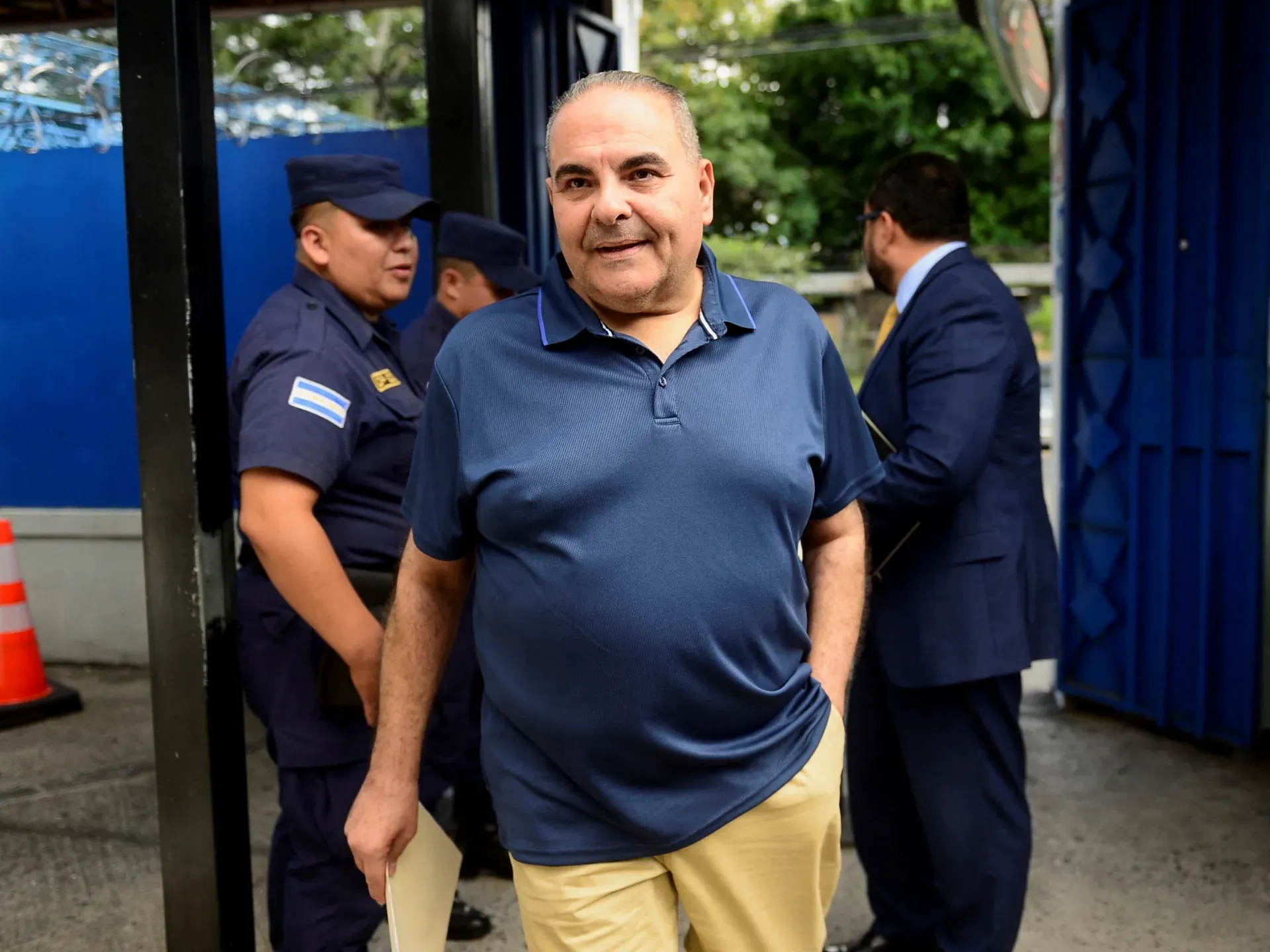
Elias Antonio Saca, the 61-year-old former president of El Salvador, has officially completed his prison term and been released from custody. On October 29, 2026, Saca appeared at the Isidro Menendez Courthouse in San Salvador to formally report his release following the fulfillment of his legal obligations. This moment follows years of judicial proceedings that began with his high-profile arrest during his son's wedding in 2016.
According to reports from Al Jazeera, Saca’s legal counsel, Mario Machado, confirmed that the former president served his full sentence without utilizing any early-release benefits or parole options. The sentence was the result of a complex legal history involving multiple charges of financial misconduct during his time in office.
The judicial process was characterized by a significant plea bargain. By confessing to his crimes, Saca was able to avoid a much harsher potential sentence that could have reached up to 30 years in prison. However, the confession required him to admit to massive misappropriation of state resources, which ultimately defined the legal trajectory of his post-presidency.
Details of the $300 million corruption scandal
The core of the criminal case against Saca involved the systematic diversion of public funds during his presidency from 2004 to 2009. Through a plea agreement, Saca admitted to laundering and diverting more than $300 million from the Salvadoran state budget for personal and political gain.
Prosecutors during the initial trials detailed how these funds were manipulated. Key findings included:
- The appropriation of state budget funds for personal use and for the benefit of other individuals.
- The illegal transfer of more than $7 million to his political party, the right-wing Nationalist Republican Alliance (ARENA).
- A judicial order requiring Saca to repay $260 million to the state to compensate for the losses incurred.
In September 2018, the court handed down a split sentence: five years for embezzlement and an additional five years for money laundering. While Saca was also convicted in 2019 for attempting to bribe a court employee with $10,000 to gain sensitive information about his ongoing legal battles, the judge ruled that this specific sentence would be absorbed into his existing 10-year term rather than added to it.
A pattern of corruption among Salvadoran leaders
The release of Elias Antonio Saca highlights a recurring theme of high-level political corruption within the Salvadoran executive branch. Saca is not an isolated case; he is one of four Salvadoran presidents who have faced formal corruption charges throughout the country's recent history.
The political landscape of El Salvador has been deeply affected by these legal battles. Saca, a businessman and radio broadcaster by profession, rose to power through the ARENA party, a dominant force in Salvadoran politics for many years. The corruption cases involving his administration and those of his successors have contributed to significant shifts in the nation's political stability and public trust.
One notable contemporary comparison is his successor, Mauricio Funes. Funes also faced corruption allegations and ultimately fled to Nicaragua in September 2016. Unlike Saca, who remained in the Salvadoran judicial system to serve his term, Funes died in Nicaragua in 2025 without facing full accountability in his home country. The contrast between these two leaders underscores the varying ways in which Salvadoran presidents have navigated legal accountability for financial misconduct.
Frequently Asked Questions
How much money was involved in the Saca corruption case?
Elias Antonio Saca confessed to diverting and laundering more than $300 million in public funds. Additionally, he was ordered by the court to repay $260 million to the Salvadoran state. Prosecutors also noted that over $7 million was diverted specifically to his political party, ARENA.
What was the reason for Saca's plea bargain?
The plea bargain was entered into to avoid a much longer potential prison sentence. Without the agreement, Saca could have faced up to 30 years behind bars. By confessing to the diversion of funds and money laundering, he secured a total sentence of 10 years.
When was Elias Antonio Saca first arrested?
Elias Antonio Saca was arrested in 2016. The arrest took place in a highly publicized manner during his son's wedding. This arrest initiated the long legal process that eventually led to his conviction for embezzlement and money laundering in 2018.
The legacy of the Saca administration
The release of Elias Antonio Saca concludes a significant chapter in El Salvador's judicial history, yet it leaves behind a complex legacy of institutional mistrust. The scale of the $300 million theft and the involvement of the ARENA party demonstrate how deeply corruption can penetrate state structures. While Saca has fulfilled his legal debt to society through a full 10-year sentence, the financial impact on the state and the precedent set by the prosecution of four different presidents remain central to the country's political discourse. The case serves as a stark reminder of the ongoing struggle for transparency in Latin American governance.