Why is El Salvador deploying more than 2,000 soldiers to Haiti?
The primary driver for the deployment of over 2,000 Salvadoran soldiers is the search for four missing aviation technicians who disappeared following an ambush. These personnel, who were part of an international security mission supporting the Haitian police, were targeted by armed men on October 18, 2026, in the Croix-des-Bouquets region, located east of the capital, Port-au-Prince.
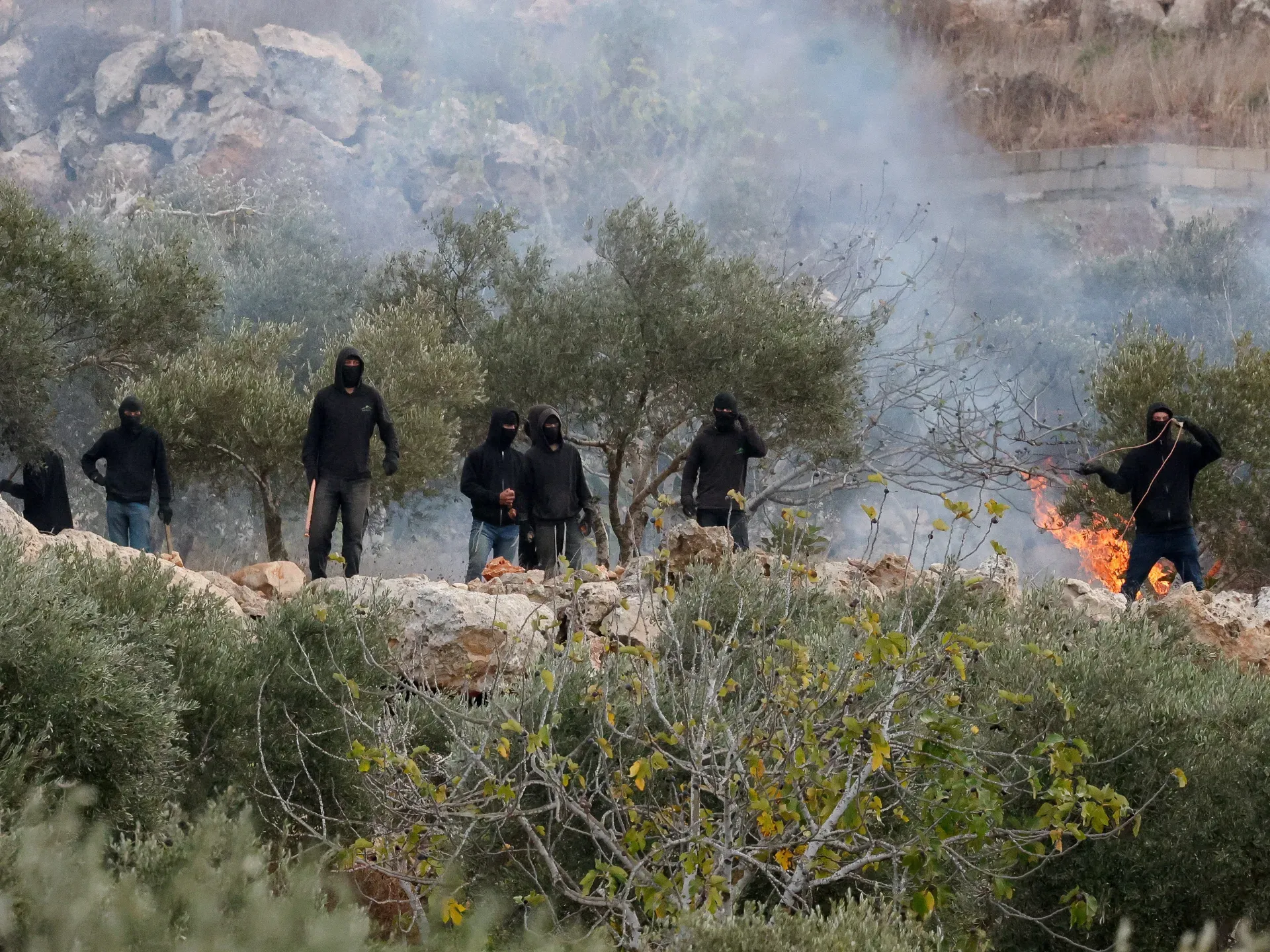
The Salvadoran Ministry of Foreign Affairs confirmed the deployment on Wednesday, October 29, 2026. While the initial mission focused on the rescue of the missing technicians, the scope of the deployment has expanded to include direct combat against the armed gangs responsible for the instability. President Nayib Bukele has taken a hardline stance, publicly threatening the gangs via social media to ensure the safe release of the Salvadoran personnel.
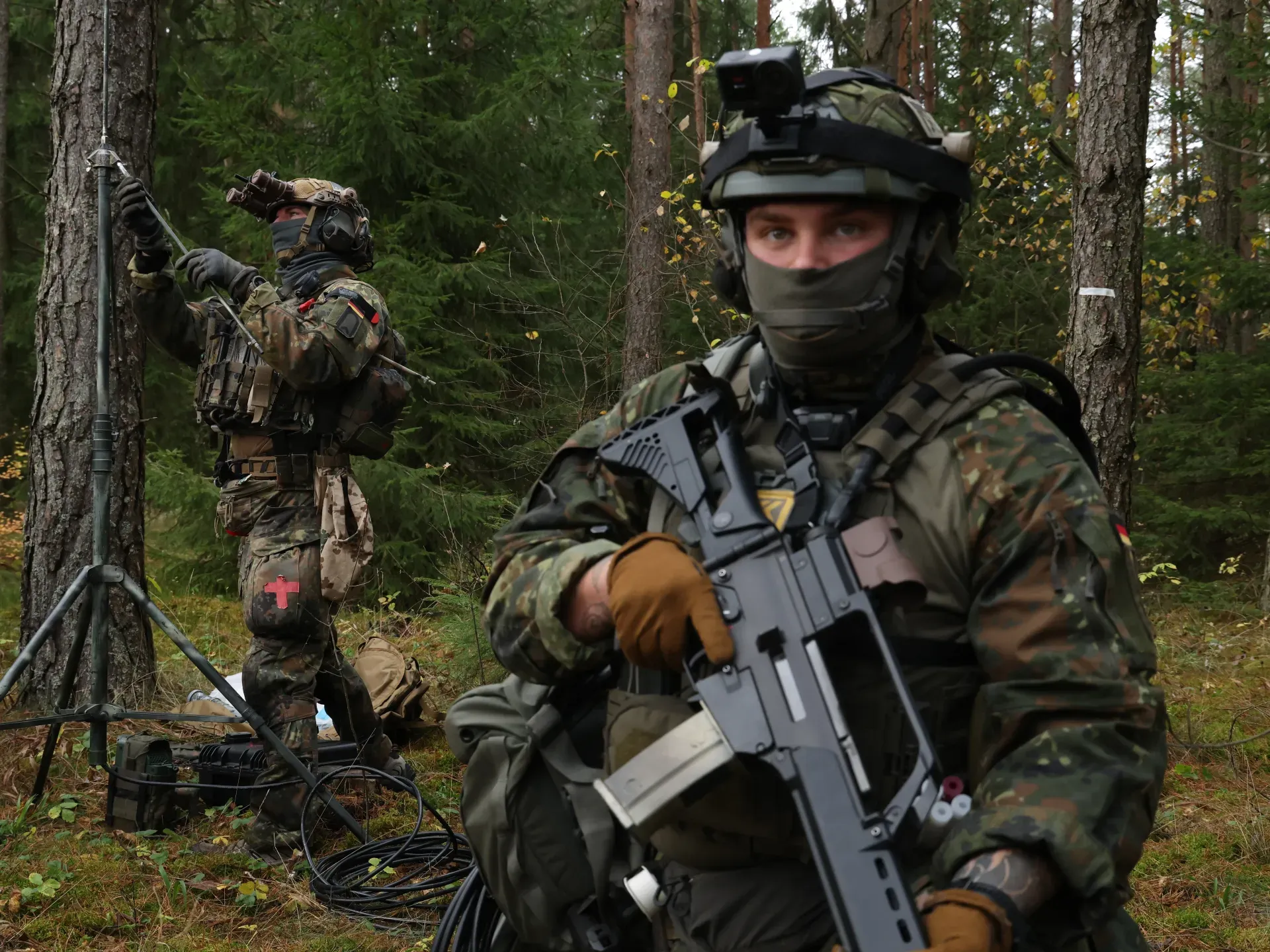
The role of the Salvadoran military in Haiti
It remains a point of operational uncertainty whether these additional Salvadoran forces will integrate into the existing United Nations-backed Gang Suppression Force or operate as an independent entity. The Gang Suppression Force is a multinational mission designed to assist the local police in reclaiming territory from criminal organizations. If the Salvadoran troops act separately, it could signal a shift in how regional powers engage with Haiti's security vacuum.
How has gang violence impacted the Haitian election schedule?
Haiti's electoral authorities have officially moved the first round of presidential and parliamentary elections from December 13, 2026, to July 18, 2027. This delay represents a significant setback for the country's efforts to restore a legitimate, elected government following years of political instability and the 2021 assassination of President Jovenel Moise.
The insecurity caused by gang control over vital infrastructure has made the logistics of voting nearly impossible. Gang-controlled roads prevent citizens from reaching registration centres, and widespread violence has forced large segments of the population to flee their homes, making consistent voter engagement unfeasible. The Provisional Electoral Council has attempted to mitigate these issues by introducing online voter registration and extending deadlines for candidate registration, but the physical reality of the territory remains a major barrier.
The state of voter registration in Haiti
Current registration figures highlight the depth of the crisis. According to a report by the Miami Herald, fewer than 900,000 people had registered to vote as of Wednesday. This figure is strikingly low when compared to the 6.5 million Haitians who hold the necessary identification cards required for enrolment. The gap between eligible citizens and registered voters underscores the difficulty of conducting democratic processes in a territory fractured by non-state armed groups.
What is the political context behind the election delays?
Haiti has struggled to maintain democratic continuity, having held no national elections since 2016. The assassination of President Jovenel Moise in 2021 created a power vacuum that successive transitional authorities have struggled to fill. Each delay in the electoral cycle is often cited by officials as a necessary response to the extreme insecurity that prevents safe voting.
The new electoral roadmap provided by the nine-member Provisional Electoral Council includes a second round of voting and local polls scheduled for October 4, 2027. While the authorities are attempting to build a structured timeline, the volatility of the security situation means that these dates remain subject to the ability of international and local forces to secure the country. The involvement of El Salvador's military is seen by some as a necessary reinforcement of this fragile timeline.
What is the impact of the security crisis on food security in Haiti?
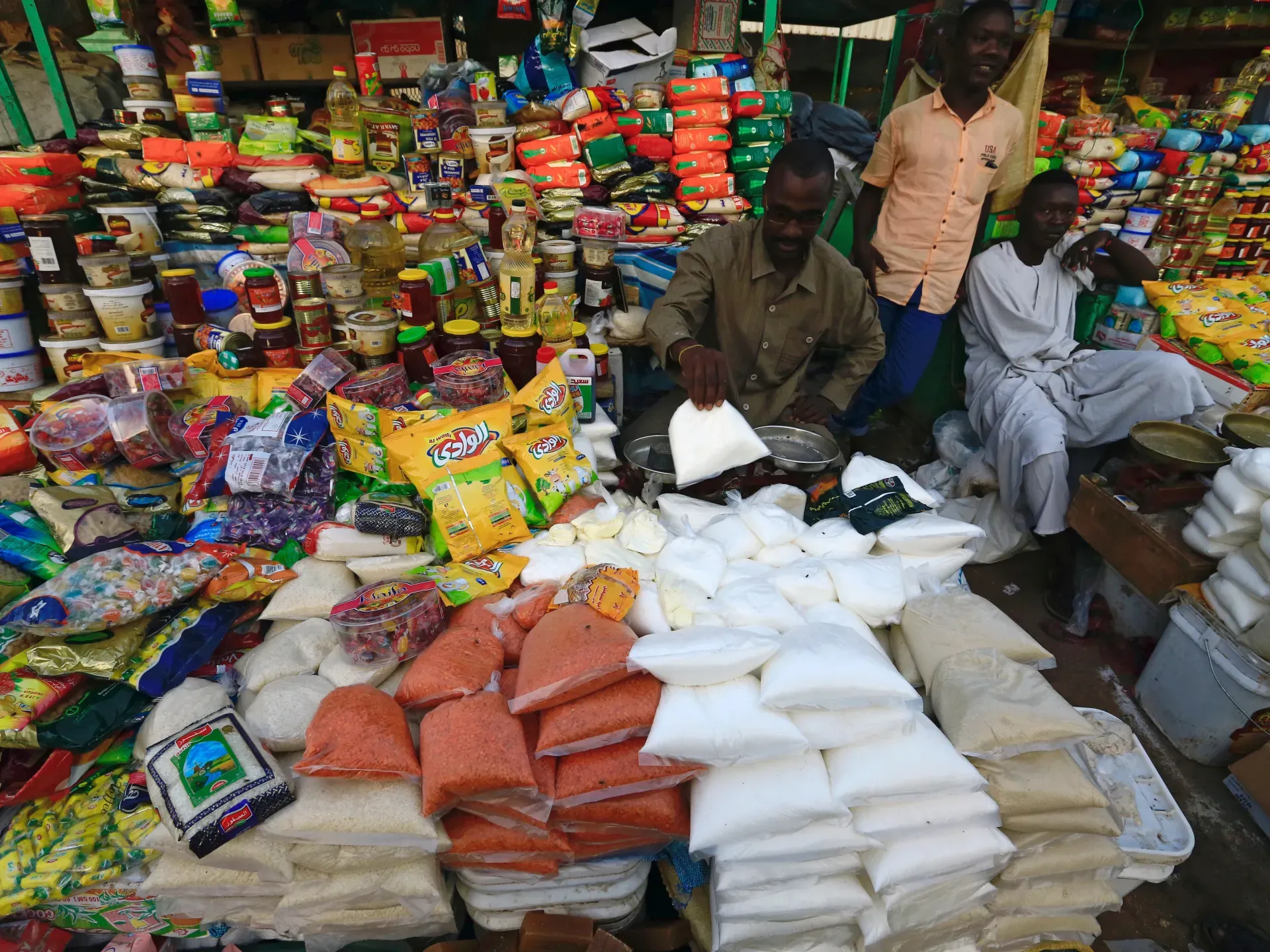
The ongoing violence and gang control have direct, devastating consequences for the civilian population, most notably regarding food availability. An international food security assessment released on Wednesday revealed that 5.94 million Haitians are currently facing acute hunger.
This humanitarian crisis is exacerbated by the disruption of essential supply chains. As gangs control major transit routes, the delivery of food and the ability of farmers to transport goods to markets are severely compromised. Within the broader population facing hunger, approximately 1.8 million people are classified as being in emergency conditions, requiring immediate intervention to prevent widespread famine.
Summary of the humanitarian and electoral situation
| Metric | Status/Figure |
|---|---|
| Next Election Date (1st Round) | July 18, 2027 |
| Registered Voters | < 900,000 |
| Total Eligible ID Holders | 6.5 million |
| People Facing Acute Hunger | 5.94 million |
| People in Emergency Food Conditions | 1.8 million |
The intersection of political instability, gang-led violence, and food insecurity creates a complex environment where security interventions like the Salvadoran deployment are as much about humanitarian stability as they are about law enforcement.
FAQ: Haiti and El Salvador Security Deployment
Why were the Salvadoran technicians ambushed?
The four Salvadoran aviation technicians were ambushed by armed men in the Croix-des-Bouquets area, east of Port-au-Prince, on October 18, 2026. They were part of an international security mission providing support to the Haitian police force during their duties.
When are the next elections in Haiti scheduled?
The first round of presidential and parliamentary elections has been rescheduled for July 18, 2027. This is a delay from the original date of December 13, 2026, due to the ongoing security challenges and gang violence across the country.
How many Salvadoran troops are being sent?
El Salvador is pledging more than 2,000 soldiers to Haiti. This deployment aims to assist in finding the missing personnel and to combat the armed gangs that are destabilizing the region and threatening international security missions.
How many Haitians are facing hunger?
According to an international assessment, 5.94 million Haitians are facing acute hunger. Of this number, 1.8 million people are currently in emergency food security conditions due to violence disrupting farming and food deliveries.
What is the current voter registration status?
Voter registration is significantly low, with fewer than 900,000 people registered out of 6.5 million eligible identification card holders. Gang-controlled roads and general insecurity have made it difficult for citizens to access registration centres.
Key takeaways
- El Salvador is deploying over 2,000 soldiers to Haiti to find four missing technicians and fight gangs.
- Haiti has postponed its first round of elections from December 2026 to July 18, 2027.
- Fewer than 900,000 Haitians are registered to vote, despite 6.5 million being eligible.
- Approximately 5.94 million Haitians are currently experiencing acute hunger due to instability.
Conclusion
The deployment of Salvadoran troops marks a significant escalation in the international response to Haiti's deteriorating security situation. As President Nayib Bukele seeks to recover missing personnel and suppress gang activity, the mission faces the daunting task of operating in a landscape defined by extreme violence and political fragmentation. The postponement of elections to 2027 reflects the profound difficulty of restoring democratic order when fundamental needs, such as food security and physical safety, are not being met. The success of this intervention will likely depend on whether security forces can reclaim enough territory to allow for both humanitarian relief and the eventual return of the electoral process.