The deployment of Salvadoran forces to Haiti
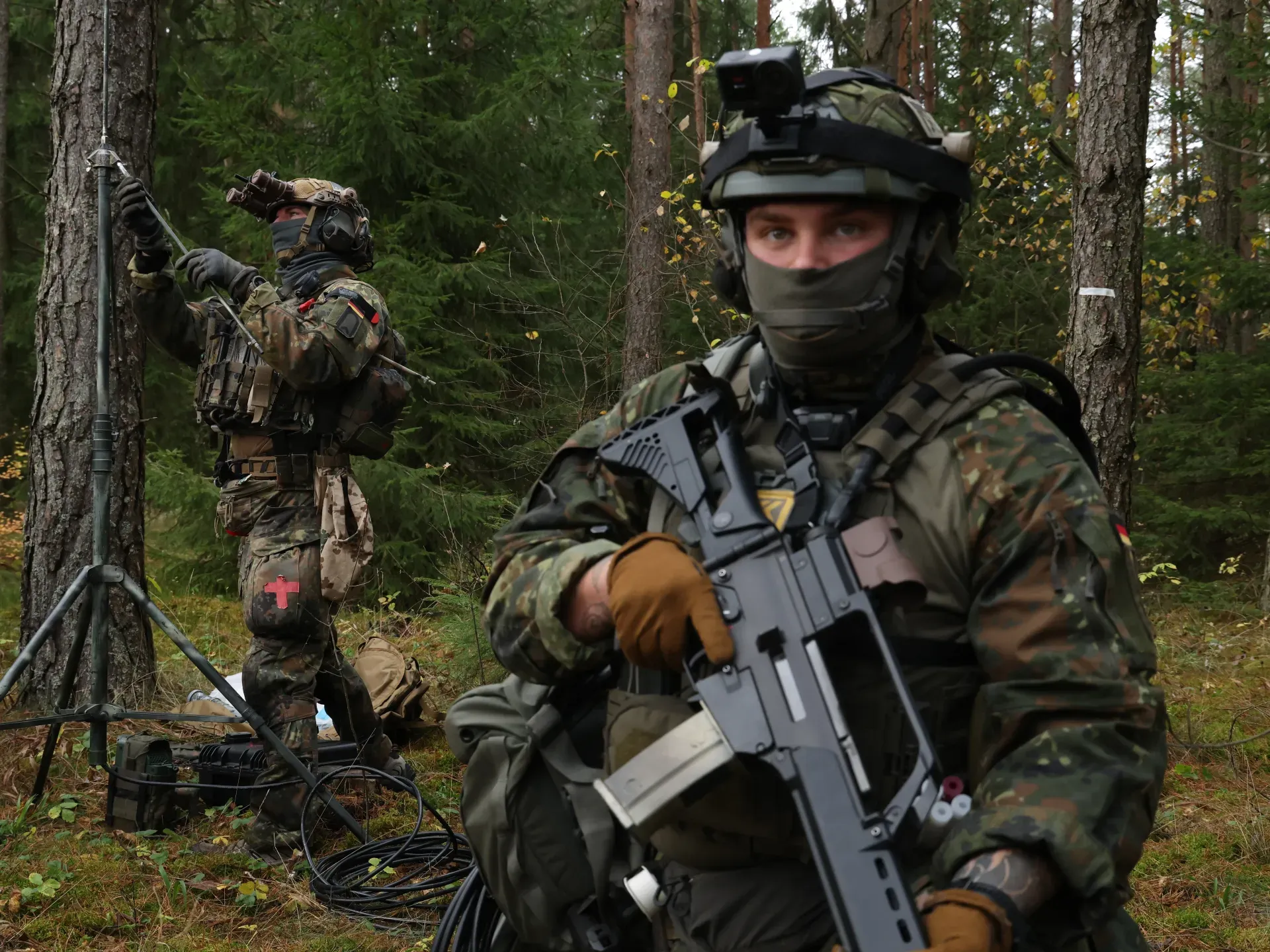
El Salvador has initiated a large-scale military deployment to Haiti, sending more than 2,000 soldiers to the Caribbean nation. According to the Salvadoran foreign ministry, this "robust deployment" was officially communicated by President Nayib Bukele to Haitian Prime Minister Alix Didier Fils-Aime earlier this week. The primary objective of this mission is to retrieve four Salvadoran nationals who vanished nearly two weeks ago while serving in the country.
Beyond the search and rescue operation, President Bukele has indicated that the troops will provide support for ongoing security initiatives aimed at combating the gangs that dominate much of Haiti. The Salvadoran government characterized the operation as a significant undertaking that is receiving support from various international organizations and multiple countries. This move marks a major escalation in El Salvador's direct involvement in the regional security landscape.
The mission's objectives
The deployment serves a dual purpose: finding the missing personnel and actively participating in the fight against gang-controlled territories. By sending such a substantial force, El Salvador is signaling its intent to play a decisive role in stabilizing the immediate area surrounding the missing soldiers.
The disappearance of the air force technicians
The crisis was triggered by the disappearance of four air force technicians who were working as part of the Gang Suppression Force (GSF), a UN-backed organization. According to reports, the soldiers were traveling back to their base in an armored vehicle when they were ambushed in the Croix-des-Bouquets area, a region currently under the control of armed groups. While the ambush has been confirmed, no specific gang has claimed responsibility for the incident so far.
The situation has been complicated by conflicting reports regarding the identity of recovered remains. Earlier this week, Haitian authorities handed over four bodies to special forces, claiming they belonged to the missing Salvadoran servicemen. However, President Bukele has explicitly rejected these claims. He stated that the corpses did not match the missing soldiers, noting that one of the recovered bodies was a child and another was wearing a military uniform from a different nation. This discrepancy has heightened the tension between the two governments.
Ambush details
The ambush occurred in a highly volatile zone where gang influence is absolute. The use of an armored vehicle suggests the soldiers were following standard security protocols, yet the effectiveness of such measures was insufficient to prevent the abduction in the Croix-des-Bouquets district.
Escalating tensions and Bukele's ultimatum
Diplomatic relations between El Salvador and Haiti have reached a point of significant friction due to the disappearance. President Bukele has taken a hardline stance, utilizing social media to issue warnings to the criminal elements in Haiti. In a recent post on X, the Salvadoran leader threatened to "wipe out" the Haitian gangs, suggesting he would replicate the aggressive domestic security tactics he implemented in El Salvador if the four soldiers are not released.
This rhetoric reflects a broader political confrontation. Bukele’s approach contrasts sharply with the current struggles of the multinational forces on the ground. While the UN Security Council granted expanded powers to the Gang Suppression Force in October 2024 to address the worsening violence, the force has faced significant hurdles in penetrating the territories held by armed groups. The Salvadoran intervention may represent a more aggressive attempt to break the current stalemate.
Political implications
The threat to replicate Salvadoran security models in Haiti introduces a new variable into the international response. It places pressure on both the Haitian administration and the UN-backed mission to produce results regarding the safety of the missing personnel.
Haiti's ongoing security and political crisis
The deployment comes at a time when Haiti is facing an unprecedented level of instability. The nation has been struggling with a profound political vacuum since the assassination of President Jovenel Moïse in 2021, which allowed gang violence to spiral out of control. According to the UN, more than 5,700 people have been killed in gang-related violence in Haiti this year alone.
Armed gangs currently control significant portions of the capital, making the delivery of aid and the maintenance of order extremely difficult. The scale of the human cost is staggering, with the UN reporting that over 5,000 people have been either killed or injured due to gang activities during the current year. The mission of the Gang Suppression Force is to navigate this landscape of extreme violence, a task that has proven increasingly difficult as gangs continue to expand their territorial grip.
The role of the GSF
The Gang Suppression Force was designed to restore order, but its effectiveness is limited by the sheer scale of the gang networks. The influx of Salvadoran troops could potentially shift the tactical balance, provided they can operate effectively within the existing security framework.
Frequently Asked Questions
What is the primary reason for the Salvadoran troop deployment?
The primary reason is to locate and rescue four Salvadoran air force technicians who went missing during an ambush in Haiti. Additionally, President Bukele stated that the 2,000 soldiers will assist in security efforts to combat the gangs that currently control much of the Haitian territory.
Why does President Bukele dispute the identities of the recovered bodies?
President Bukele claims the bodies provided by Haiti do not match the missing servicemen. He noted that the remains included a child and a soldier wearing a different country's uniform, leading him to reject the Haitian authorities' assertion that the bodies belonged to the Salvadoran technicians.
How many people have been affected by gang violence in Haiti this year?
According to the UN, the violence has been devastating, with more than 5,700 people killed in gang-related incidents this year. Furthermore, the UN reports that over 5,000 people have been killed or injured due to the ongoing gang warfare throughout the country.
Perspective on the regional security shift
The deployment of 2,000 Salvadoran troops marks a significant shift in how regional powers are responding to the humanitarian and security collapse in Haiti. While the mission is ostensibly a rescue operation, the underlying political tension and President Bukele's threats of aggressive intervention suggest a move toward a more militarized approach to gang suppression. The success of this mission will likely depend on whether these forces can effectively operate in gang-controlled zones and whether the international community can coordinate a response that addresses both the immediate disappearance of the soldiers and the systemic instability that has plagued Haiti since 2021.