How many people have been affected by the Ebola outbreak in the DRC?
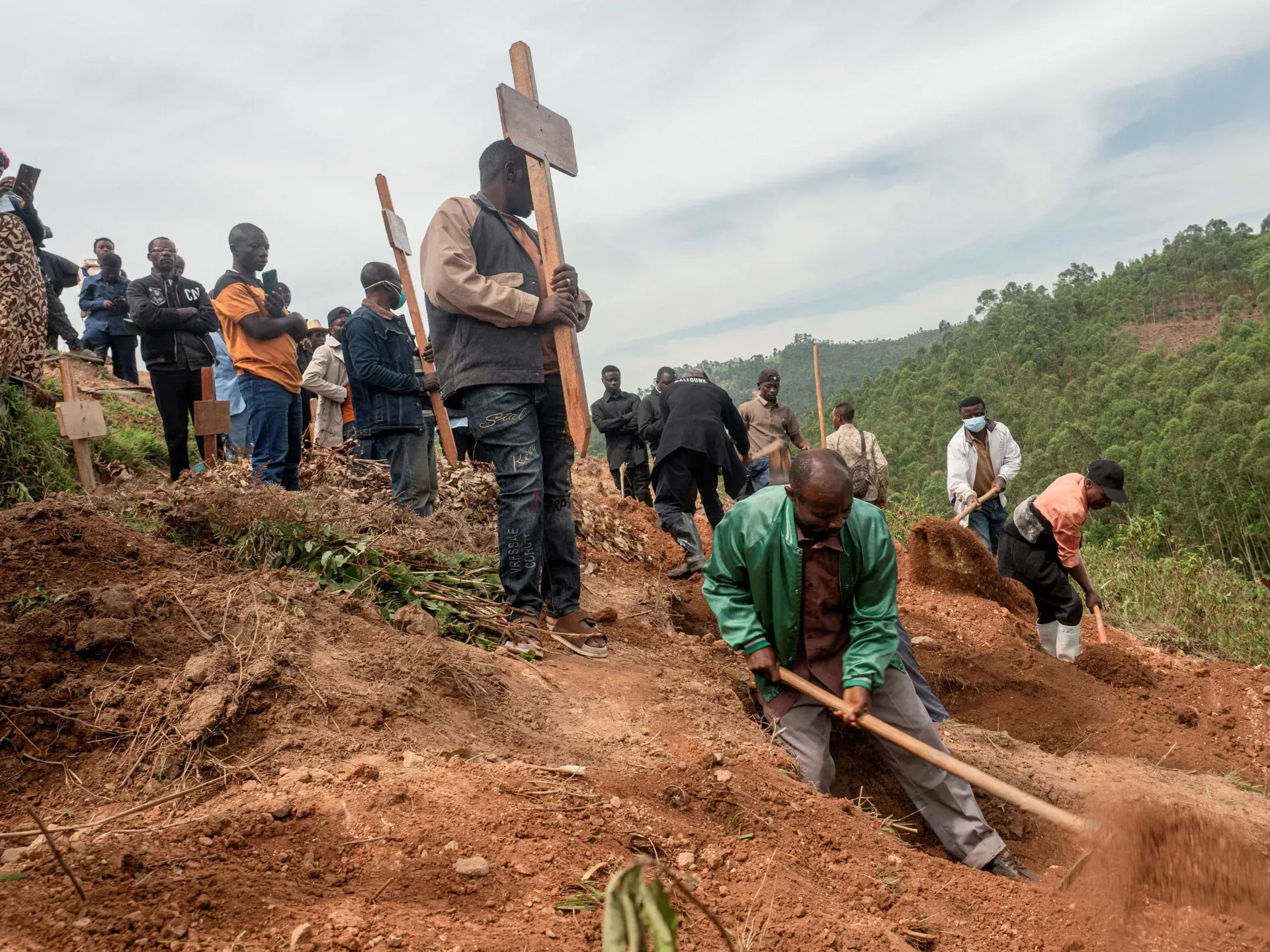
The Ebola death toll in DR Congo has officially crossed the 5,000 mark, representing a catastrophic loss of life. Government figures released on Friday, October 31, 2026, confirm that the virus has infected more than 10,000 people since the initial declaration of the outbreak in May 2026.
This current epidemic is ranked as the second-largest Ebola outbreak in history. It follows the massive 2014-2016 epidemic, which saw over 28,600 infections and more than 11,000 deaths across Guinea, Liberia, and Sierra Leone. The scale of the current DRC crisis highlights a significant escalation in the virus's ability to impact large populations within a relatively short timeframe.
Comparing the 2026 and 2014-2016 Outbreaks
While the 2014-2016 epidemic remains the largest in terms of total numbers, the 2026 DRC outbreak is distinguished by its rapid progression and the specific strain involved. The current death toll of 5,000 already represents nearly half the fatalities seen in the previous decade's largest crisis, despite the current outbreak having a different geographic concentration.
Why is the Bundibugyo strain so difficult to control?
Authorities are struggling to contain the spread because the current outbreak is caused by the rare Bundibugyo strain of the Ebola virus. A critical factor in the inability to halt the transmission is that there are currently no approved treatments or vaccines specifically designed to combat this particular strain.
The lack of medical countermeasures is compounded by several systemic challenges within the Democratic Republic of the Congo. The virus has successfully spread to eight of the nation's 26 provinces, driven by a combination of factors including:
- Delayed detection: The time elapsed between initial infections and official identification has allowed the virus to gain a foothold.
- Regional conflict: Ongoing instability and violence in certain areas hinder health workers' ability to reach affected populations.
- Strained health services: The existing medical infrastructure is struggling to cope with the volume of patients and the specialized care required.
How has the virus spread beyond the borders of the DRC?
The geographic reach of the outbreak has expanded significantly, moving from a localized Congolese crisis to a regional concern in Africa. While the epicenter remains in the DRC, the virus has successfully crossed international borders, affecting both East and West Africa.
According to recent reports, Nigeria has become the fourth African nation to report a confirmed Ebola case, signaling the virus's movement into West Africa. Additionally, East African nations, specifically Kenya and Uganda, have also reported cases. This cross-border movement has turned a national health emergency into a continental threat, necessitating a coordinated international response.
What are the global responses and travel restrictions?
In response to the expanding geographic spread, several governments have implemented strict travel measures and quarantine protocols to prevent the international transmission of the virus. These measures range from restricting entry to entire countries to monitoring travelers who have recently transited through affected zones.
Saudi Arabia has taken particularly stringent actions to protect its population. According to the Saudi Press Agency, the kingdom has suspended all travel to and entry from Kenya. These restrictions include:
- The suspension of travel for Saudi citizens to Kenya.
- A total pause on issuing all types of visas to travelers coming from Kenya.
- A prohibition on entry for travelers arriving from Kenya, even if they are transiting through third countries, provided they have stayed in Kenya or other Ebola-affected regions within the previous 21 days.
These measures follow previous actions taken by the Saudi government earlier in the year. In June, the kingdom had already suspended travel to and from the DRC, Uganda, and South Sudan as a precautionary measure against the virus.
Frequently asked questions
What strain of Ebola is causing the current outbreak?
The current outbreak in the Democratic Republic of the Congo is caused by the Bundibugyo strain. This is a rare version of the Ebola virus, and currently, there are no approved vaccines or medical treatments specifically available to combat this particular strain.
How many people have died in the DRC Ebola outbreak?
As of October 31, 2026, the Ebola death toll in the Democratic Republic of the Congo has surpassed 5,000 people. This figure is based on the latest data provided by government authorities regarding the ongoing epidemic.
Has the Ebola virus spread to other countries?
Yes, the virus has spread beyond the DRC. Nigeria has reported cases, extending the outbreak to West Africa, while Kenya and Uganda in East Africa have also reported confirmed cases of the virus.
Why is it so hard to stop the spread in the DRC?
The spread is driven by delayed detection of cases, ongoing regional conflicts, and health services that are under extreme strain. Additionally, the absence of approved vaccines or treatments for the Bundibugyo strain makes containment significantly more difficult.
What travel restrictions have been implemented?
Several countries have restricted travel. Notably, Saudi Arabia has suspended travel to and from Kenya, including a ban on visas for Kenyan travelers and restrictions on those who have transited through affected areas in the last 21 days.
Key takeaways
- The Ebola death toll in the DRC has exceeded 5,000 fatalities.
- More than 10,000 people have been infected since May 2026.
- The Bundibugyo strain currently lacks approved vaccines or treatments.
- The outbreak has reached Nigeria, Kenya, and Uganda.
- Saudi Arabia has suspended all travel to and from Kenya.
The path toward containment
The scale of the Ebola outbreak in the Democratic Republic of the Congo presents a profound challenge to global health security. With over 5,000 deaths and 10,000 infections, the impact of the Bundibugyo strain is being felt across the continent. The combination of medical shortages, regional instability, and the virus's ability to cross borders into Nigeria, Kenya, and Uganda necessitates an urgent, multifaceted response. While travel restrictions in countries like Saudi Arabia aim to limit international spread, the primary focus must remain on strengthening health infrastructure and finding medical solutions within the affected regions to break the cycle of transmission.