An unusual maritime interception in Zeeland
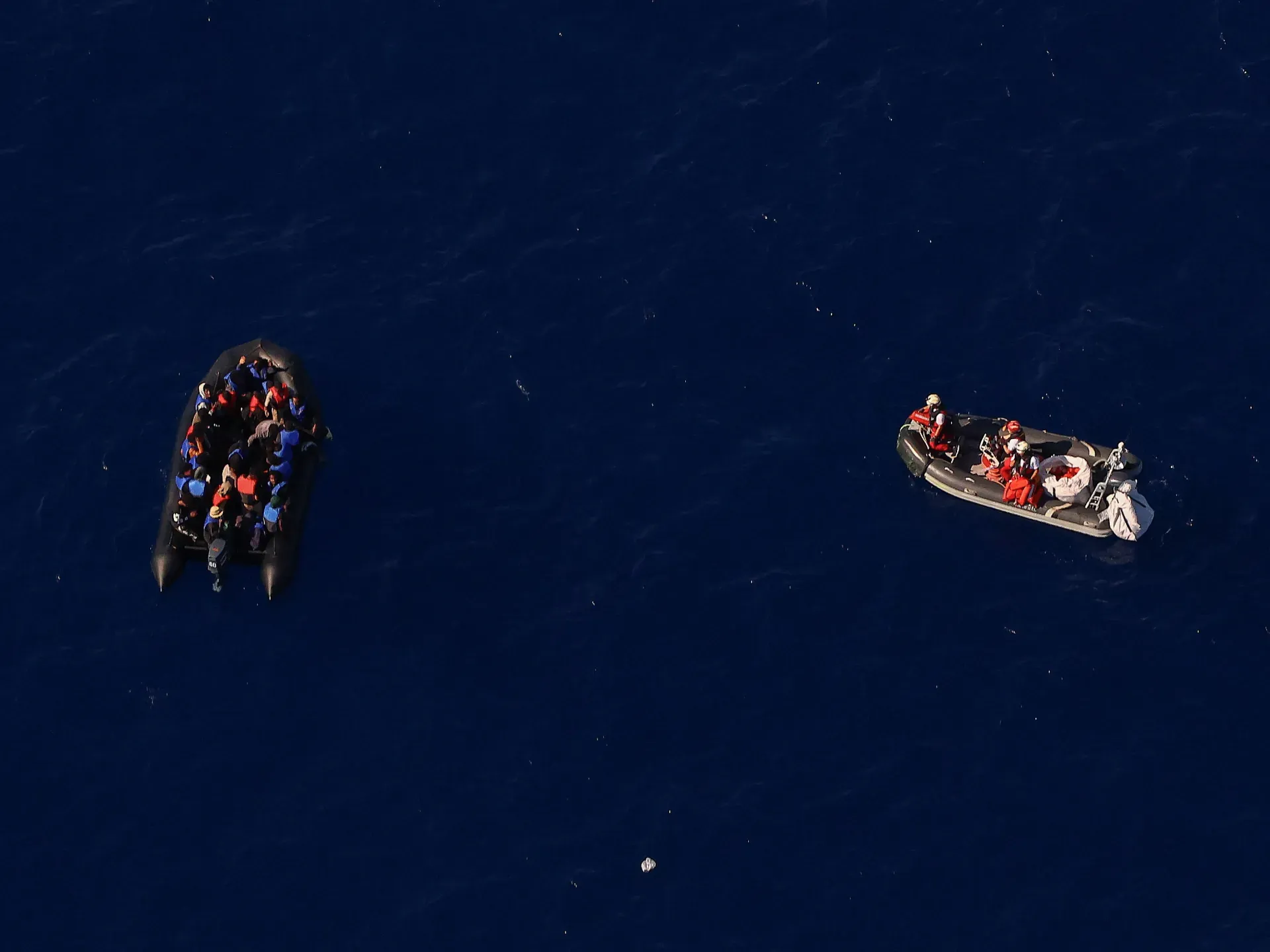
Dutch authorities rescued 38 individuals from a drifting rubber boat off the coast of the Zeeland province, a location far southwest of Amsterdam. The discovery of a migrant vessel in these specific waters is considered an anomaly by local officials. According to military police spokesperson Doron Wallin, such sightings are typically associated with the waters surrounding France and Belgium rather than the Dutch coastline.
The vessel was found in a precarious state, drifting aimlessly because it lacked a motor. Safety concerns were immediately noted by responders, as none of the 38 individuals on board were wearing life vests at the time of the interception. While the exact trajectory of the boat remains a mystery, the presence of a small, unpowered craft in this region signals a potential deviation from established migration corridors.
Demographics and suspected smuggling activity
The composition of the group on board has provided investigators with specific leads regarding the nature of the crossing. According to the AFP news agency, the group consisted entirely of men. Of these 38 individuals, 36 were identified as being from Afghanistan.
The remaining two passengers have become the focus of a criminal investigation. These two men, who are from Sudan, are suspected of being smugglers responsible for the voyage. Following the rescue, the two Sudanese nationals were arrested on suspicion of human smuggling. Military police are currently working to determine if these individuals were actively navigating the vessel or merely present during the drift.
Uncertainty regarding the route and origin
Authorities are currently struggling to establish the point of departure for the rubber boat. Because the vessel was found in a state of drift, determining whether the passengers originated from France, Belgium, or within the Netherlands itself remains a primary objective for the investigation. Doron Wallin stated to the Associated Press that the destination of the boat is also currently unknown.
While recent years have seen a significant increase in small boat crossings—most notably from France toward the United Kingdom—the Dutch coast has not historically been a primary landing point for such maritime attempts. The lack of a motor and the absence of safety equipment suggest a high-risk transit that may have been interrupted by mechanical failure or environmental conditions before reaching a intended shore.
Legal and investigative implications
The arrest of the two suspected smugglers marks a significant step in the Dutch response to irregular maritime arrivals. Law enforcement agencies are now analyzing the circumstances of the interception to determine if there is a broader smuggling network operating in the North Sea. The investigation aims to clarify whether this was an isolated incident or part of a larger trend of diverted migration routes.
As the military police continue their inquiry, the focus remains on the 36 Afghan nationals and the logistical failures that led to a motorless boat drifting into Dutch territory. The incident underscores the ongoing challenges faced by European maritime authorities in monitoring coastal waters against the backdrop of shifting migration patterns and the inherent dangers of unpowered vessel crossings.
Frequently Asked Questions
Who was rescued during the incident?
The rescue involved 38 men found in a rubber boat. According to reports from the AFP news agency, 36 of the men were from Afghanistan, while the other two, who are from Sudan, were suspected of being smugglers involved in the operation.
Where was the boat discovered?
The boat was located off the coast of the Zeeland province in the Netherlands. This area is situated far southwest of Amsterdam. Authorities noted that finding such a vessel in Dutch waters is highly unusual compared to the more common sightings in France or Belgium.
What was the condition of the vessel?
The rubber boat was found drifting without a motor. Furthermore, none of the 38 people on board were wearing life vests at the time they were intercepted by authorities. This lack of equipment and propulsion posed a significant risk to the passengers.
What happened to the suspected smugglers?
The two Sudanese men on board were arrested by authorities. They are being held on suspicion of people smuggling. Military police are investigating their specific role in the transit and the origin of the vessel that led to the interception.
Final overview of the maritime event
The interception of a motorless rubber boat off the Zeeland coast represents a rare and concerning development for Dutch maritime authorities. While the identities of the 36 Afghan men and the two Sudanese suspects have been established, the broader context of the journey—specifically its origin and intended destination—remains under investigation. The absence of life vests and propulsion highlights the extreme risks inherent in these crossings. As law enforcement processes the arrests of the suspected smugglers, the incident serves as a reminder of the unpredictable nature of migration routes in Northern Europe and the ongoing challenges of coastal surveillance.