How did student movements and new parties topple these regimes?
The collapse of both the Serbian and Hungarian administrations was driven by organized opposition movements that successfully mobilized large segments of the electorate. In Hungary, the Tisza party, led by the energetic Péter Magyar, secured victory in April. In Serbia, the opposition was spearheaded by the 'Student List,' a movement less than two years old that achieved a parliamentary landslide despite insisting on a leaderless structure.
While the organizational styles differed, the impact was identical. The Student List secured 140 seats in Serbia's 250-seat parliament, a figure that mirrors the 140 seats won by the Tisza party in Hungary's 199-seat parliament. This numerical coincidence highlights a similar scale of political realignment in both nations.
The catalyst for Serbian unrest
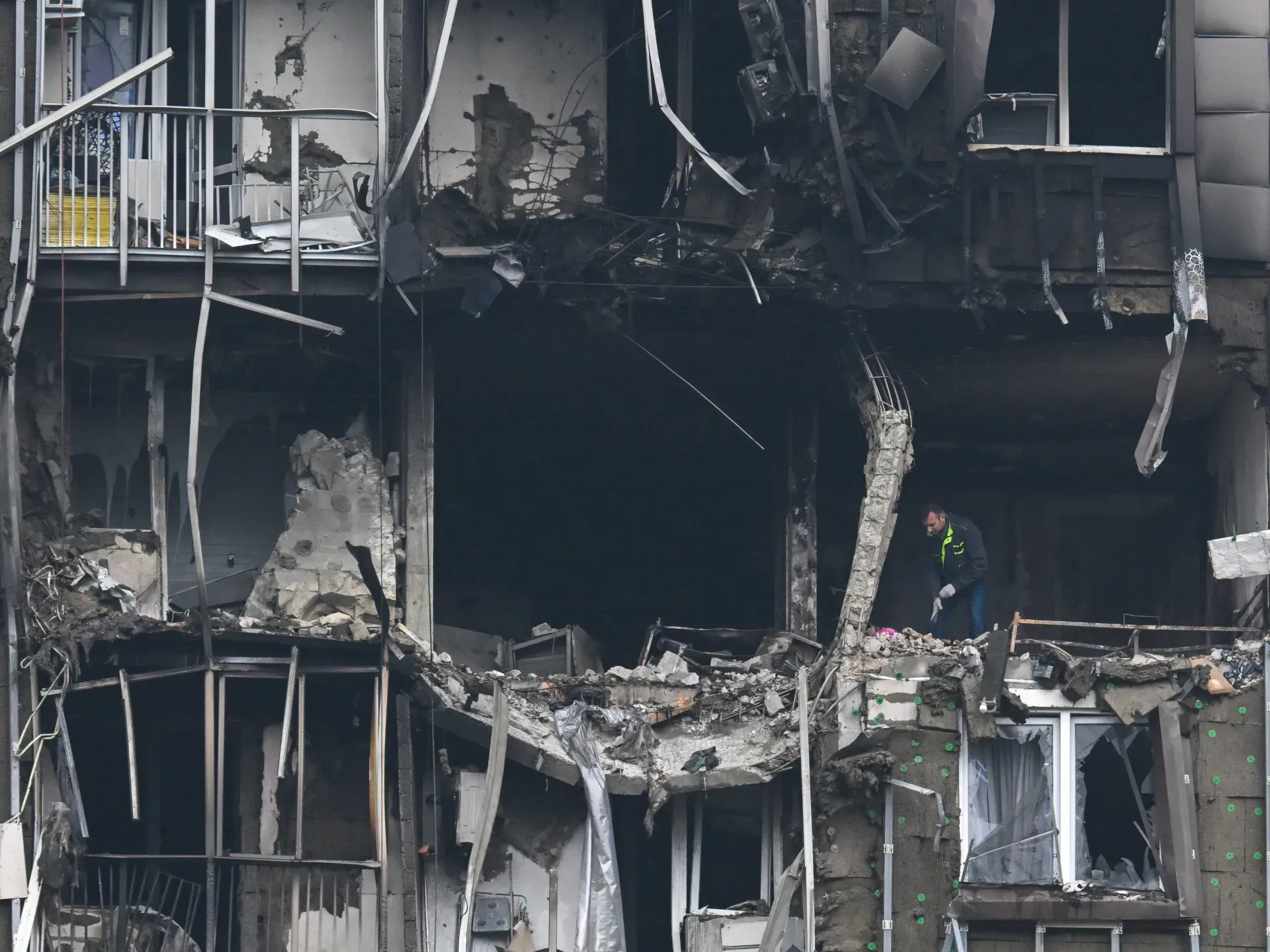
In Serbia, the momentum for the student-led movement was significantly accelerated by the tragic collapse of a canopy at the Novi Sad railway station on November 1, 2024. The incident, which resulted in 16 deaths, was widely attributed to a combination of corruption and negligence. This disaster served as a critical turning point, transforming public frustration into a coordinated political force capable of challenging the established order.
What role did technology play in preventing electoral fraud?
Technological sophistication was a decisive factor in the opposition's ability to protect the integrity of the vote. In both Hungary and Serbia, tech-savvy young voters utilized artificial intelligence to analyze data and identify potential threats to the democratic process. These tools allowed monitors to crunch numbers and anticipate areas where irregularities were most likely to occur.
A key strategy involved identifying "infected" polling districts. These are specific locations where previous election results showed suspiciously high margins for the governing party, suggesting the historical use of "chain voting" or direct voter intimidation. By pre-identifying these zones, the opposition could deploy resources more effectively.
The Hungarian DE civic action group played a vital role in this cross-border knowledge transfer. During the summer, the group held workshops for Serbian students to share methods used during the Hungarian elections. This included sending 70 monitors to the Serbian province of Vojvodina to work alongside local student representatives.
How did election monitoring deter intimidation on election day?
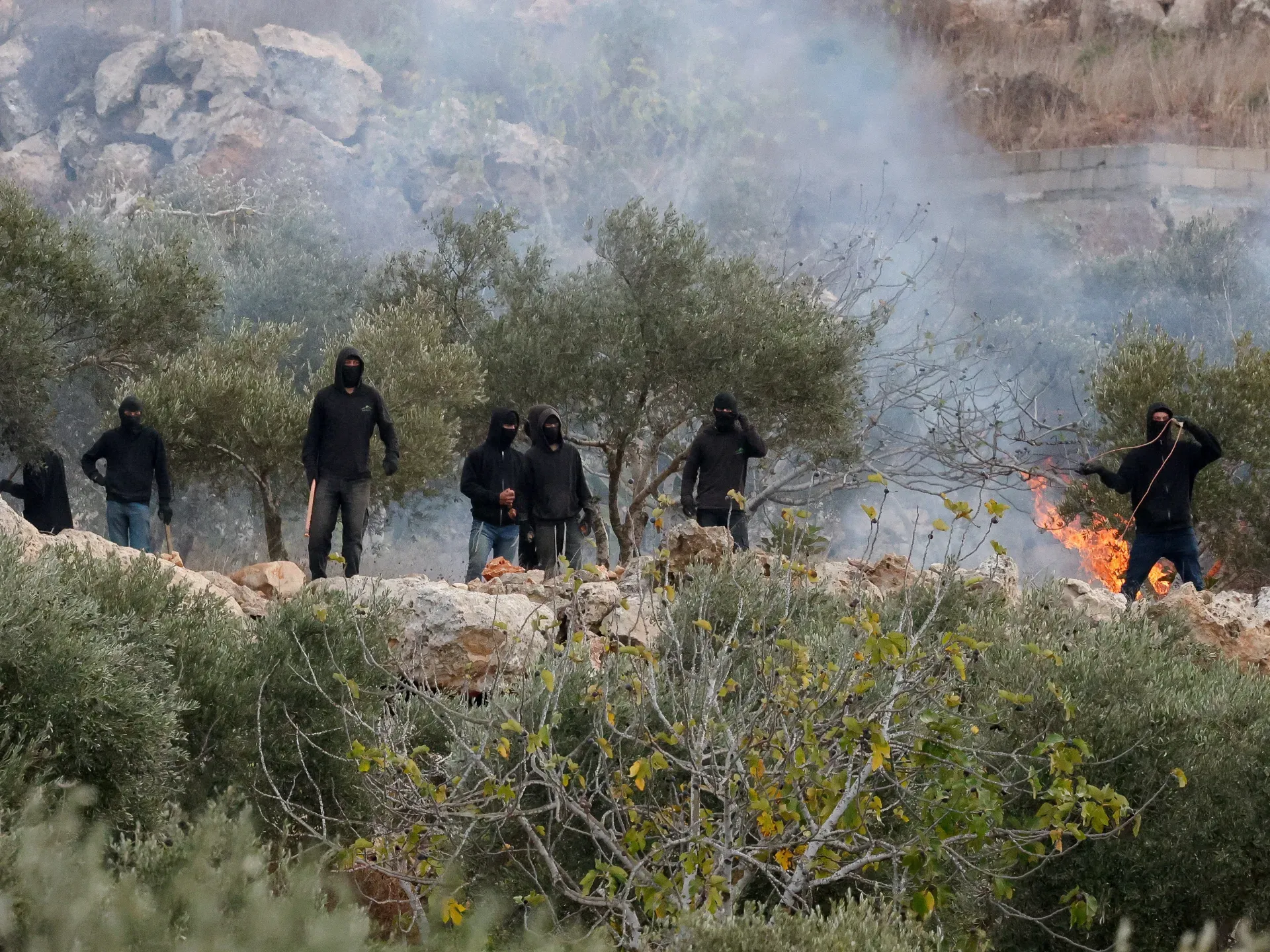
The presence of organized, highly visible monitoring teams acted as a primary deterrent against the use of force and voter intimidation. On the day of the Serbian election, student activists reported the appearance of masked groups and "hooligans"—alleged Vučiċ supporters—gathering near polling stations, particularly from 16:00 onwards.
To counter this, the Student List deployed a two-tier monitoring system:
- Stationary monitors: Personnel stationed at polling locations to observe the process continuously.
- Mobile teams: Rapid-response units that used mobile phones to film activities and provide immediate oversight in threatened areas.
At high-risk stations, between 20 and 30 volunteers worked in tandem to ensure that any attempts at fraud or intimidation were documented in real-time, effectively neutralizing the influence of masked vigilantes who attempted to occupy central Belgrade and other key areas.
What were the political and business connections between Vučiċ and Orbán?
The two leaders shared deep-seated political and economic ties that spanned over a decade. Both Aleksandar Vučiċ and Viktor Orbán held power for significant periods—14 and 16 years respectively—and worked to consolidate state institutions and business interests across their respective borders.
Their relationship was characterized by shared geopolitical alignments and major infrastructure projects. Key commonalities included:
- Geopolitical Alliances: Both leaders maintained close relationships with Vladimir Putin of Russia and Xi Jinping of China.
- Regional Support: Both provided support to Milorad Dodik, the separatist leader of the Bosnian Serbs.
- Infrastructure: A high-speed railway connecting Belgrade and Budapest is currently under construction, funded by Chinese capital and expertise.
- Energy Interests: Discussions had previously centered on the planned Hungarian acquisition of a controlling stake in Serbia's NIS oil company.
Even their personal interactions were noted for their familiarity, such as a meeting in Subotica a year ago where they shared a meal of traditional burek pastries while discussing regional business deals.
Will the former leaders face legal consequences?
Both Aleksandar Vučiċ and Viktor Orbán now face the possibility of prosecution for corruption and the abuse of power. The judicial frameworks in both countries are equipped with specialized units that possess significant investigative powers and could potentially facilitate cross-border legal cooperation.
In Serbia, the Special Prosecution Service for Organized Crime (JTOK) is tasked with such investigations. Similarly, Hungary has established new special prosecutors known as the NVVH. These bodies are designed to tackle high-level corruption, which has been a central accusation against both former administrations.
The intersection of business and corruption
The allegations of corruption are not merely political but are tied to specific infrastructure projects. For instance, Hungarian companies with close ties to the Orbán administration were involved in the construction of the Novi Sad railway station. The failure of this project, which led to the aforementioned fatalities, has become a focal point for legal scrutiny regarding how state contracts were awarded and managed.
Frequently asked questions
How did the Serbian students organize without a formal leader?
The Student List movement in Serbia emphasized a leaderless structure to avoid the centralization of power. Unlike Hungary's Tisza party, which is built around the personality of Péter Magyar, the Serbian movement focused on collective action and decentralized mobilization through tech-savvy youth networks.
What is "chain voting" in the context of these elections?
Chain voting is a fraudulent technique used to manipulate election results. It involves providing a voter with a pre-marked ballot to ensure they vote for a specific candidate, often through intimidation or by controlling the flow of ballots at specific polling stations in "infected" districts.
Did Orbán influence Vučiċ's decision to concede?
While Vučiċ denies speaking to Orbán before his announcement, he has acknowledged a conversation with the former Hungarian Prime Minister at 23:15 on Sunday night. Reports suggest Orbán may have advised Vučiċ to avoid using force to maintain power following the election results.
How did AI help the opposition in these elections?
AI tools were utilized by young voters to analyze electoral data and identify patterns of potential fraud. These tools helped the movements predict which polling districts were at risk of intimidation, allowing them to strategically deploy election monitors to those specific locations.
What was the impact of the Novi Sad railway station disaster?
The collapse of the station's canopy on November 1, 2024, which killed 16 people, served as the primary catalyst for the Serbian student movement. It shifted public sentiment by providing tangible evidence of the corruption and negligence allegedly inherent in the ruling administration.
Key takeaways
- The Student List in Serbia and Tisza in Hungary both secured 140 seats in their respective parliaments.
- High voter turnout, 69% in Serbia and 79% in Hungary, drove the opposition victories.
- AI and mobile monitoring were used to identify and protect "infected" polling districts from fraud.
- The Novi Sad railway station disaster acted as a catalyst for political mobilization in Serbia.
The end of an era in the Balkans and Central Europe
The simultaneous departure of Aleksandar Vučiċ and Viktor Orbán represents more than just a change in government; it signifies the erosion of a specific model of nationalist, centralized rule that had dominated the region for over a decade. By leveraging technology and grassroots mobilization, these movements proved that even deeply entrenched regimes can be vulnerable once social cohesion is regained. As both nations move toward new leadership, the focus will likely shift to whether their specialized judicial services can successfully prosecute the corruption allegations that precipitated these political collapses.