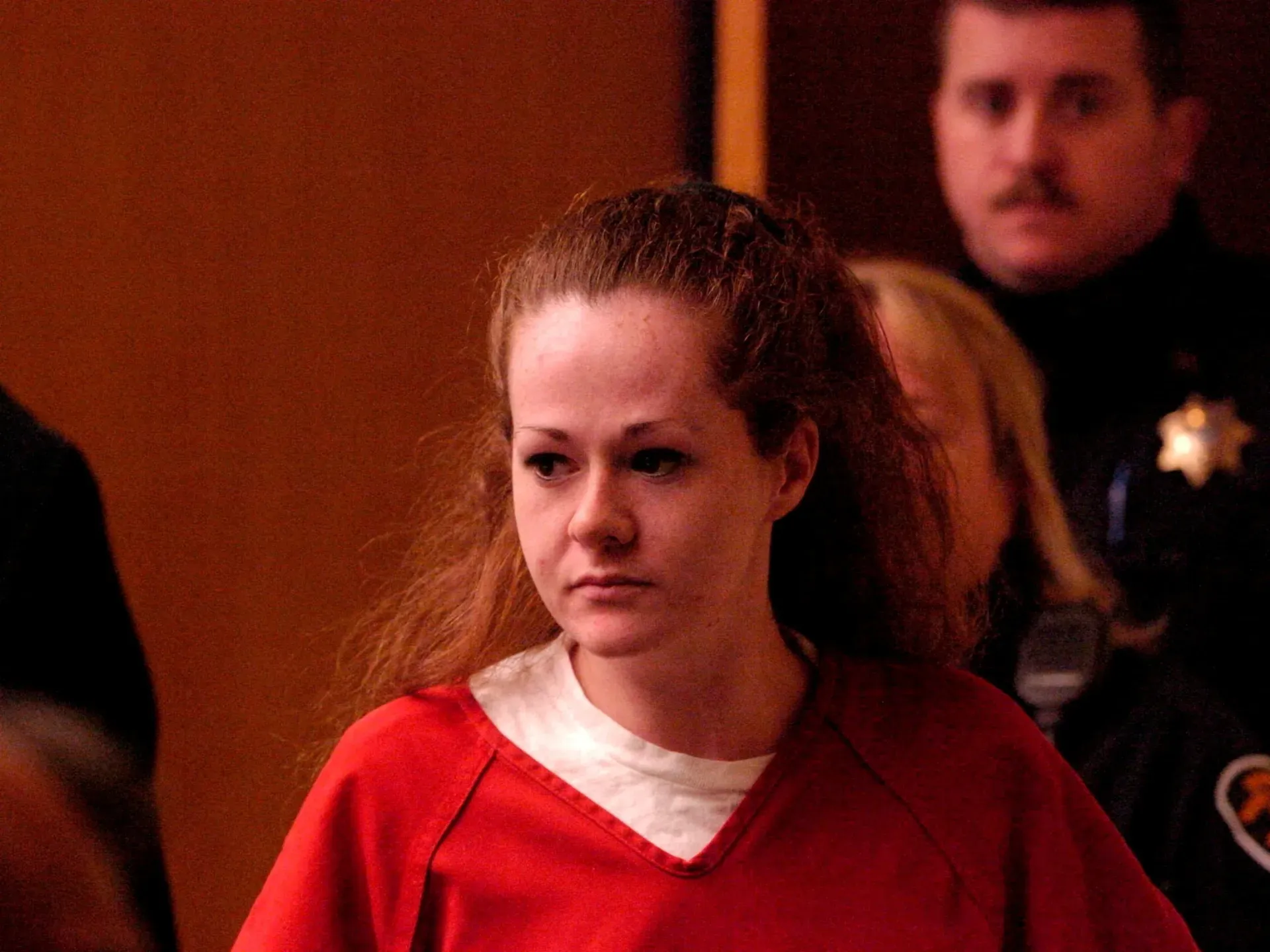
What is the current condition of Christa Pike?
Christa Pike reports that she is living in a state of perpetual physical and emotional suffering following her failed execution attempt. In a statement released through her legal representatives on Friday, Pike described her condition as one of constant pain, noting that she is also experiencing significant difficulty with speech. The 50-year-old inmate has expressed deep distress regarding the circumstances of her survival, citing the incompetence that led to the botched procedure.
Pike's current physical state is a direct consequence of the medical complications arising from the lethal injection attempt. Beyond the immediate pain, she has indicated that the psychological impact of the event has been profound. Having not expected to survive the night of the execution, she is now navigating an uncertain future while dealing with the trauma of the failed procedure.
Physical and psychological impacts of the failed procedure
The physical trauma reported by Pike is linked to the specific way the lethal drugs interacted with her body. According to her legal team, the injection caused significant damage to her limbs. Furthermore, the psychological toll is exacerbated by her current living conditions. Pike is presently being held in solitary confinement, a situation her lawyers argue is contributing to further mental instability and trauma following the ordeal.
How did the lethal injection fail?
The failure of the execution is attributed to a technical error involving the administration of phenobarbital. Pike's legal representatives have suggested that the two separate doses of the drug administered on September 30 may have failed to reach her bloodstream as intended. Instead of circulating through her system to induce death, the medication reportedly pooled in her arms.
This medical failure resulted in severe physical injuries, including skin that was both burned and blistered. Following the incident, Pike was hospitalized and remained unconscious for several days before being discharged and returned to the Tennessee prison system. The inability of the drug to enter the bloodstream effectively turned a scheduled execution into a traumatic medical event, leaving the inmate alive but severely injured.
What are the legal and political repercussions in Tennessee?
The botched execution has caused immediate instability within Tennessee's correctional and executive leadership. Frank Strada, the commissioner of the Tennessee Department of Correction, announced his resignation following the incident. This departure highlights the gravity of the procedural failure within the state's penal system.
In response to the event, Tennessee Governor Bill Lee has initiated an independent review of the execution process. As a precautionary measure, the Governor has also postponed other lethal injections that were scheduled to take place in the state later this year. While the review is underway, the legal status of Pike's sentence remains a point of intense contention between her defense and the state government.
The debate over Pike's sentencing
Pike's legal team is actively seeking to have her death sentence commuted to life in prison. They have argued that her current state of suffering and the circumstances of the botched execution warrant a change in her punishment. However, Governor Bill Lee has expressed skepticism regarding this possibility. In recent comments to reporters, Lee stated that he "suspects" her sentence will remain unchanged unless the courts provide a different determination.
What is the historical context of Christa Pike's case?
The legal proceedings against Christa Pike date back to a violent crime committed in 1995. At the age of 18, Pike and her boyfriend were involved in the torture, stabbing, and beating of a 19-year-old classmate, which resulted in the victim's death. Due to her age at the time of the crime, she was sentenced to death.
The case has long been a focal point for discussions regarding the death penalty in the United States. Pike has acknowledged the gravity of her past actions, stating that she continues to think about the victim's family and the profound loss they have experienced. This acknowledgment of the victim's suffering stands in contrast to the current legal battle over her own treatment and the methods used by the state to carry out her sentence.
Frequently asked questions
Why did the lethal injection fail to kill Christa Pike?
The failure is believed to have been caused by the phenobarbital not entering Pike's bloodstream. According to her lawyers, the drug pooled in her arms instead of circulating, causing burns and blisters rather than inducing the intended death. This technical error left her alive but in significant pain.
What is the current legal status of Christa Pike's sentence?
Pike remains under a death sentence despite the botched execution. Her legal team is petitioning a federal judge to change her sentence to life in prison and to allow her social interaction, but Governor Bill Lee has indicated he expects the sentence to stand unless courts rule otherwise.
Has the Tennessee government responded to the botched execution?
Yes, Tennessee Governor Bill Lee has organized an independent review of the failed execution and has postponed all other scheduled lethal injections for the remainder of the year. Additionally, the commissioner of the Tennessee Department of Correction, Frank Strada, has resigned from his position.
How is Christa Pike being held following the incident?
Pike is currently being held in solitary confinement in a Tennessee prison. Her legal team has expressed concern that this isolation is causing significant psychological harm and trauma, especially given the physical and emotional distress she experienced during the failed execution attempt.
What was the original crime that led to Pike's death sentence?
In 1995, Christa Pike and her boyfriend were convicted of the torture and killing of a 19-year-old classmate. Because Pike was 18 years old at the time of the crime, she was handed the death penalty by the court.
Key takeaways
- Christa Pike reports constant physical and emotional pain following a failed lethal injection.
- The phenobarbital used in the execution reportedly pooled in her arms instead of entering the bloodstream.
- Tennessee's Department of Correction commissioner, Frank Strada, resigned following the incident.
- Governor Bill Lee has postponed all other state lethal injections for the current year.
- Pike's legal team is seeking a sentence commutation to life in prison.
Conclusion
The failed execution of Christa Pike has moved beyond a single inmate's survival to become a significant crisis for the Tennessee justice system. The combination of severe physical injury to the inmate, the resignation of a top correctional official, and the suspension of lethal injections underscores the systemic implications of the error. As the independent review progresses and legal battles over Pike's sentence continue, the incident serves as a critical case study in the technical and ethical complexities of the death penalty in the United States.