Why did Bolivia declare a state of emergency?
President Rodrigo Paz signed the nationwide decree on Saturday to unlock immediate resources for disaster response. The decision follows a government report highlighting the dual threat of extreme precipitation and severe water scarcity. By declaring this state of emergency, the administration intends to bypass standard bureaucratic delays to move personnel and supplies to the hardest-hit regions.
The President emphasized that El Nino is expected to bring "very severe impacts in terms of drought and floods," necessitating the cooperation of all national institutions. The decree specifically calls for the deployment of additional rescue teams to areas currently struggling with the erratic weather patterns. This proactive stance comes as the country prepares for the phenomenon to reach its peak intensity toward the end of 2026.
What is the current impact of drought on Bolivian families?
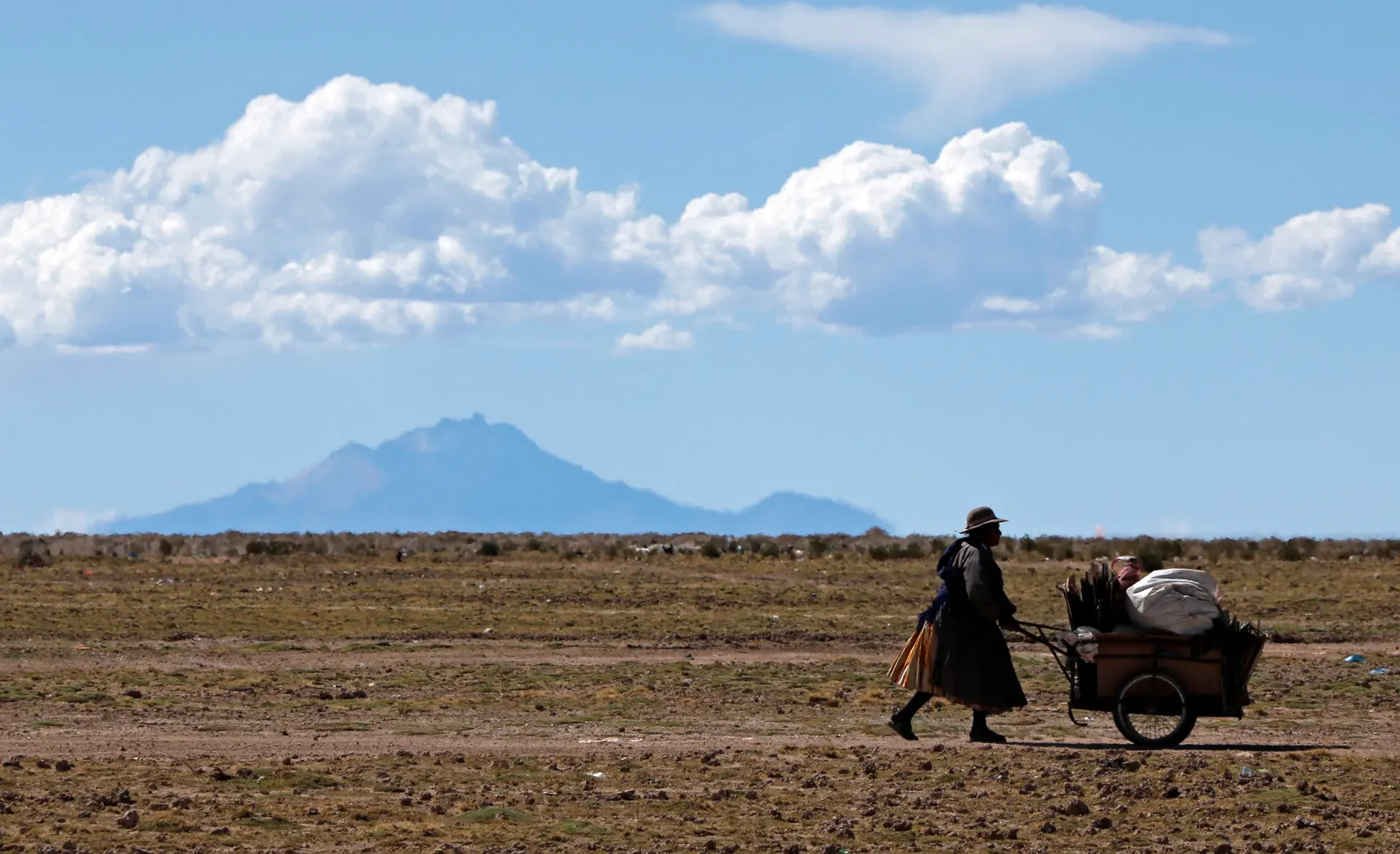
Drought conditions are currently impacting 78,000 families across six of Bolivia’s nine departments. This widespread water scarcity is not only a humanitarian concern for domestic consumption but also a catastrophic blow to the nation's agricultural and livestock sectors.
The economic consequences are already visible in the livestock industry. A government report released this week confirmed that more than 75,000 cattle have died due to the lack of water and grazing land. For many rural communities, this represents a total loss of livelihood and food security. The scale of the livestock mortality suggests that the drought is deep-seated and affecting the primary production capabilities of the affected departments.
The agricultural crisis in the six affected departments
The concentration of the drought in 66% of the country's departments indicates a systemic threat to Bolivia's internal food supply chains. As families lose access to reliable water sources, the pressure on remaining reservoirs increases, creating a cycle of scarcity that is difficult to break without significant external intervention or long-term weather shifts.
How does flooding complement the drought crisis?
Bolivia is simultaneously facing the risk of devastating floods, a phenomenon that often accompanies the El Nino cycle. While some regions suffer from a lack of rain, others are overwhelmed by intense, concentrated precipitation that causes rapid rises in river levels and soil saturation.
The country has a recent history of such events. In December 2025, heavy flooding in the Santa Cruz region resulted in the deaths of dozens of people. This history of climate volatility makes the current state of emergency particularly urgent, as the infrastructure and rescue services must be prepared to pivot between managing water shortages and responding to sudden inundations. The unpredictable nature of El Nino means that a region experiencing drought one month could face flash flooding the next.
What is the broader regional climate context in South America?
The weather instability in Bolivia is part of a larger pattern of extreme climate events currently affecting the South American continent. Neighboring nations are reporting similar, albeit different, climate-driven disasters.
- Chile: The capital city, Santiago, recently recorded its rainiest October on record, showcasing the extreme precipitation side of the cycle.
- Peru: Wildfires in Peru claimed at least 12 lives last month, highlighting the fire risks associated with localized dry spells.
- Argentina: Farmers in Argentina have been forced to evacuate cattle by boat as El Nino-driven weather escalates.
These regional trends suggest that the current El Nino cycle is exerting significant pressure on the entire continent's infrastructure, agriculture, and human safety.
What is the El Nino phenomenon and its projected duration?
El Nino is a natural part of the planet's weather cycle, occurring roughly every two to seven years. It is characterized by the warming of waters in the Pacific Ocean, which triggers significant shifts in global wind patterns, atmospheric pressure, and rainfall distribution.
The current cycle is particularly concerning to meteorologists. While the intensity of El Nino varies by location, there are indications that this specific cycle could be among the strongest ever recorded. Although the phenomenon is expected to peak in late 2026, its atmospheric consequences are not expected to vanish quickly. The World Meteorological Organization reported in early September that there is a nearly 100 percent likelihood that El Nino conditions will persist through February 2027.
Global mortality and socioeconomic risks
The impact of El Nino extends far beyond South America. Scientists have issued warnings regarding the global human cost, predicting that the phenomenon could be responsible for more than 450,000 deaths worldwide. The most significant risk is disproportionately borne by the world's poorest nations, which often lack the resilient infrastructure and financial reserves required to mitigate the effects of extreme weather. This makes the current emergency in Bolivia a critical case study in how climate volatility impacts developing economies.
Frequently asked questions
How many people are affected by the drought in Bolivia?
According to current government data, drought conditions are affecting 78,000 families. These families are spread across six of the nine departments in Bolivia, facing significant challenges regarding water access and food security as the El Nino cycle progresses.
What has been the loss to the livestock sector?
The drought has led to the death of more than 75,000 cattle. This loss is a direct result of the water scarcity and the impact of the El Nino weather pattern on the country's agricultural stability and rural livelihoods.
When is the El Nino cycle expected to peak?
The El Nino phenomenon is projected to reach its peak intensity at the end of 2026. However, the World Meteorological Organization indicates that the effects are likely to continue through February 2027, extending the period of climate instability.
Is flooding also a concern in Bolivia?
Yes, flooding is a major component of the current emergency. Bolivia is prone to extreme weather shifts, and the state of emergency was declared to prepare for both the ongoing drought and the potential for severe flooding caused by El Nino.
What is the global death toll prediction for El Nino?
Scientists predict that the current El Nino cycle could cause more than 450,000 deaths globally. The impact is expected to be most severe in the poorest countries, which have less capacity to manage the resulting extreme weather events.
Key takeaways
- Bolivia has declared a nationwide state of emergency to combat El Nino's effects.
- Drought in six departments is currently affecting 78,000 Bolivian families.
- Over 75,000 cattle have died due to the ongoing drought conditions.
- The El Nino cycle is expected to peak in late 2026 and persist into 2027.
- Global mortality risks from this phenomenon could exceed 450,000 people.
Conclusion
The declaration of a state of emergency in Bolivia underscores the immediate and devastating reality of the current El Nino cycle. With 78,000 families facing drought and massive livestock losses already recorded, the nation is at a critical juncture. The dual threat of water scarcity and potential flooding requires a coordinated, rapid response from all institutional levels. As this phenomenon is projected to peak in late 2026 and continue into 2027, the long-term implications for Bolivia's economy and regional stability remain a significant concern for the international community.