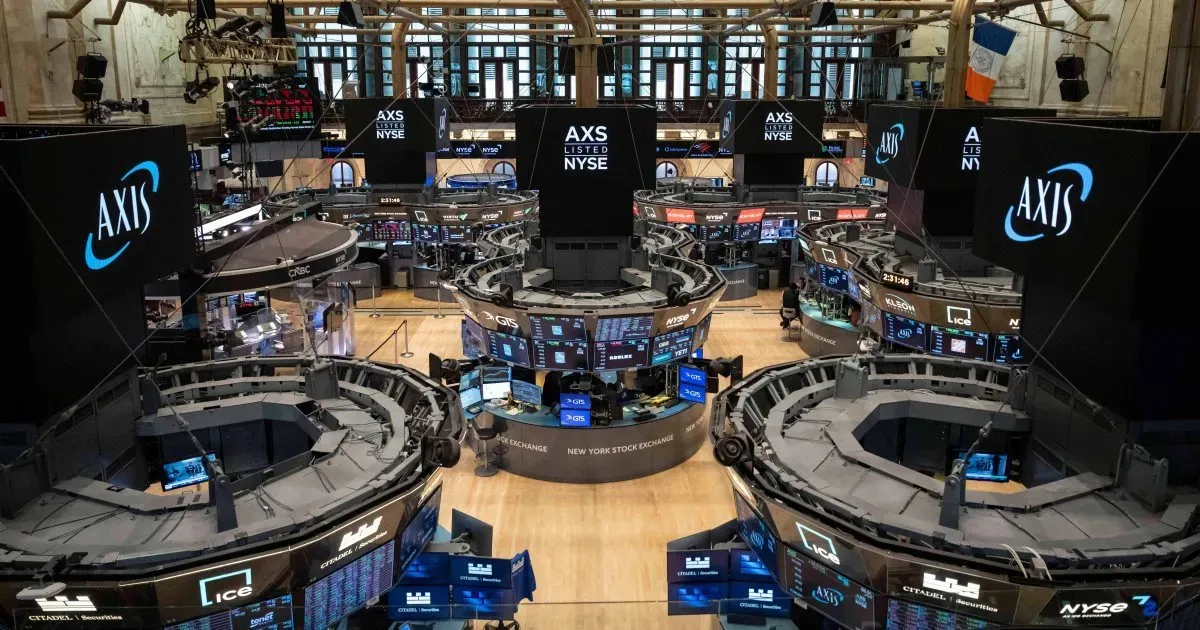
Why are US tech stocks experiencing such sharp declines?
The primary driver behind the recent downturn is a growing skepticism regarding the massive financial commitments tech giants are making toward artificial intelligence. While capital expenditure on AI infrastructure is reaching unprecedented levels, recent earnings reports have failed to consistently meet analyst expectations, leading to fears of a potential bubble. This disconnect between high spending and immediate revenue generation has caused the Nasdaq index, which tracks many of the largest US tech firms, to sink by more than 3.5% in recent trading.
Investors are increasingly scrutinizing the return on investment (ROI) for AI projects. The concern is that the immense costs associated with building data centres and developing sophisticated software might eventually exceed the revenue these technologies can generate. According to Chris Low of investment management firm FHN Financial, the current market volatility is a reaction to the 'growing pains' of major players like Amazon and Google as they aggressively pursue AI development. This shift in sentiment suggests that the sector may be entering a period of cooling or consolidation.
How has the AI spending surge impacted Alphabet and Intel?
Alphabet and Intel have emerged as central figures in the recent market sell-off, facing unique challenges related to their core business models and AI transitions. Alphabet saw its market value drop by more than $500bn (£374bn) in a single day of trading after revealing that its new AI-driven search summaries were impacting its primary advertising revenue. The company has committed to spending up to $205bn this year, with nearly all of that investment directed toward AI capabilities.
The specific impact on Alphabet's valuation
Alphabet's stock experienced a significant slide, dropping more than 12% on a single Thursday, followed by further declines in subsequent trading. The core issue lies in the cannibalization of its traditional search advertising model. As AI provides direct answers to users, the necessity for users to click through to advertiser websites decreases, potentially undermining the company's most profitable revenue stream.
Intel has faced an even more dramatic percentage decline, with shares plummeting by as much as 30%. Despite a slowdown in the PC market, Intel has indicated it will continue to ramp up its investment in AI-related equipment. However, the company's financial outlook remains cautious. Intel's finance chief, David Zinsner, noted in a third-quarter earnings report that the firm does not expect to generate more cash than it spends this year and has forecasted lower-than-expected revenue for the fourth quarter. Zinsner also predicted that the slowdown in the PC sector would persist at least through the first half of 2025.
What is the impact of AI investment on Amazon and Reddit?
Amazon and Reddit have also seen significant stock volatility as their financial disclosures highlight the high costs and changing traffic patterns associated with the AI era. Amazon's shares fell as much as 6% in overnight trading after the company reported that its spending had increased six-fold over a three-month period. The company has committed $220bn to investments this year, focusing on AI data centres, servers, and network equipment. While the shares saw a slight recovery, they remained down by approximately 1.6% in Friday trading.
Reddit has faced a more severe correction, with its stock price dropping by 26%. This decline followed the disclosure of weaker-than-expected daily user figures. Crucially, Reddit warned that the expansion of Google's AI-driven search capabilities is hurting the referral traffic that the social media platform relies upon. This highlights a broader trend where AI-generated summaries may reduce the visibility of the original content creators and platforms that feed the AI models.
Is there a genuine risk of an AI bubble?
Analysts are actively debating whether the current market trajectory indicates the formation of an AI bubble. The central tension lies in the valuation of tech companies versus the actual profitability of their AI initiatives. Kathleen Brookes, a research director at the trading firm XTB, observed that investors have become "ruthless," quickly punishing any signs of disappointment in quarterly earnings. This suggests that the period of unconditional optimism surrounding AI may be transitioning into a phase of rigorous financial scrutiny.
The risk of a bubble is predicated on the possibility that the cost of building the necessary infrastructure—such as massive data centres and specialized hardware—will remain high while the commercial applications of AI fail to scale as quickly as anticipated. If the revenue generated from AI software and services cannot justify the massive capital outlays, a significant market correction could occur. However, it is worth noting that despite recent volatility, many of these companies maintain valuations significantly higher than they were a year ago. For instance, while the Nasdaq fell 3.5% in recent trading, it remains up 7.6% over the last twelve months.
Market indicators to watch in the coming months
To determine if the AI trade has reached its peak, analysts suggest monitoring stock performance through the end of the year. November is historically a strong month for equities. If AI-focused stocks continue to struggle through this period, it may indicate that investors are looking for new themes to drive market growth, signaling that the AI-led rally has lost its momentum.
FAQ: AI and US Tech Stocks
Why did Alphabet's stock price fall so significantly?
Alphabet's stock plunged because the company revealed that its new AI-generated search summaries are affecting its core search advertising revenue. As AI provides direct answers, the traditional model of users clicking on ads decreases, creating concerns about long-term profitability despite the company's $205bn investment in AI.
What is causing Intel's shares to drop?
Intel's shares fell by as much as 30% due to a combination of a slowdown in the PC market and high AI-related spending. The company's finance chief indicated that the firm expects to spend more than it brings in this year, with revenue forecasts for the fourth quarter falling short.
How is AI affecting Reddit's business model?
Reddit's stock fell by 26% because the company reported lower-than-expected daily user numbers and warned that Google's AI-driven search is reducing referral traffic. This suggests that AI summaries may be diverting users away from the original platforms that provide the data for those summaries.
Is the Nasdaq index currently in a downturn?
The Nasdaq index, which includes many major tech firms, saw a decline of more than 3.5% in recent trading. This move is largely attributed to investor concerns regarding the massive capital expenditures being made by tech giants in the artificial intelligence sector.
Are tech stocks still higher than last year?
Yes, despite recent volatility, many tech stocks remain higher than their levels a year ago. For example, the Nasdaq is up 7.6% over the last year, and Amazon shares have increased by nearly 7% over the same twelve-month period.
Key takeaways
- Major tech firms like Meta and Microsoft are projected to spend $800.6bn on AI in 2026.
- Alphabet's market value dropped by over $500bn following concerns over search advertising revenue.
- Intel shares plummeted by 30% amid a PC market slowdown and high AI equipment spending.
- Reddit saw a 26% stock decline due to lower user figures and reduced referral traffic.
- The Nasdaq index fell 3.5% recently, despite being up 7.6% over the past year.
Conclusion
The recent volatility in US tech stocks reflects a critical turning point in the artificial intelligence era. As companies like Alphabet, Intel, and Amazon commit hundreds of billions of dollars to AI infrastructure, the market is shifting its focus from speculative potential to tangible returns. The "growing pains" identified by analysts highlight the tension between massive capital requirements and the evolving revenue models of the digital economy. Whether this represents a temporary correction or the bursting of an AI bubble will depend on how effectively these firms can convert their immense investments into sustainable, profitable growth in the coming quarters.