How significant is the platinum sector to Zimbabwe's economy?
The platinum industry serves as a critical pillar of the Zimbabwean economy, particularly as the nation holds the world's second-largest known deposits of platinum group metals (PGMs) following South Africa. The scale of this sector is reflected in its contribution to national trade and domestic production. According to the International Trade Administration in the United States, mining accounts for approximately 14.5 percent of Zimbabwe's gross domestic product and roughly 75 percent of the country's total exports.
Recent years have seen a massive surge in the value of these mineral exports. John Musekiwa, the former president of the Chamber of Mines of Zimbabwe, noted that the mining sector achieved record export earnings of $8.5 billion in 2025, a significant increase from the $5.9 billion recorded the previous year. This growth was largely propelled by high global demand and favorable pricing for gold and PGMs.
The financial incentive for the industry has been further bolstered by market volatility and supply concerns. According to the World Platinum Investment Council, platinum prices hit an all-time high of $2,923 per ounce on January 26, 2026, during a broader rally in the precious metals market. This price surge represents a massive opportunity for national revenue, yet the distribution of this wealth remains a point of intense local contention.
What are the primary challenges facing mining communities?
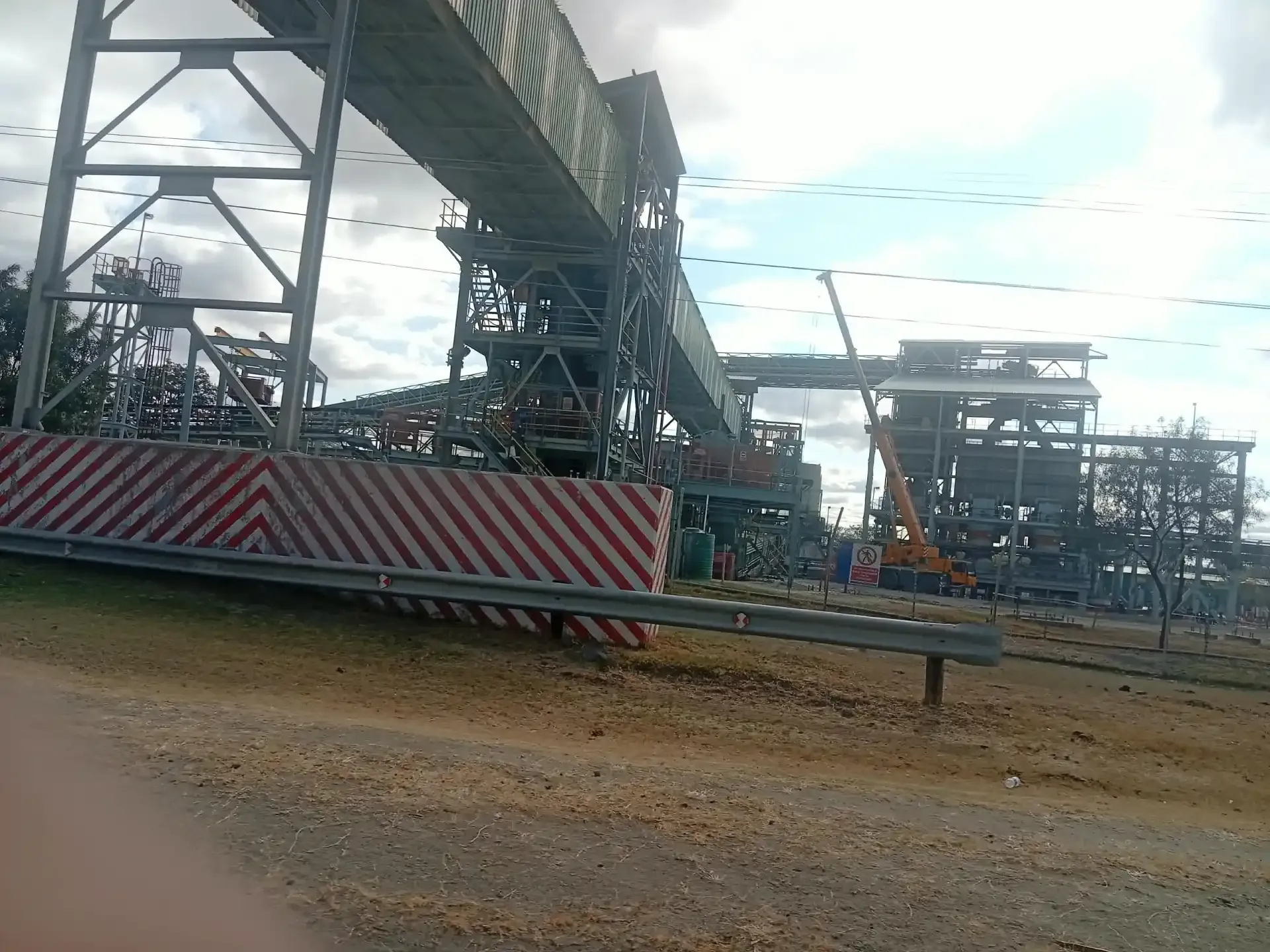
Despite the billions of dollars generated by the extraction of PGMs, residents in areas like the Mhondoro-Ngezi district report that essential infrastructure has failed to keep pace with industrial expansion. The geological formation known as the Great Dyke, which houses these vast deposits, is home to both modern mining facilities and struggling rural villages.
Infrastructure deficits are most visible in the transportation and education sectors. In the Mhondoro-Ngezi area, local leaders have highlighted the urgent need for improved connectivity. Ernest Denhere, headman of Denhere village, has called on companies such as Zimplats to construct roads linking the mining areas of Turf, Benhura, Mamina, and Murambwa to the major Harare-Masvingo highways.
The impact on education and student mobility
The lack of localized educational facilities has created significant physical burdens for the youth in mining districts. Emmah Chikwai, a Ward 3 Councillor, stated that children from villages including Jompani, Majoki, Maleti, and Makwavarara are forced to walk between 15km and 25km to reach Musinambi Secondary School. This distance poses a barrier to consistent attendance and general well-being. Furthermore, rising enrollment in existing schools is straining current facilities; at Turf Primary School, students have been observed learning under trees due to a lack of adequate classroom space. Local representatives have appealed to mining firms to establish satellite secondary schools or primary schools to meet the needs of the growing population of mine workers and their families.
How is mining activity affecting local water and health?
Environmental concerns regarding water quality and sanitation are becoming increasingly prominent in platinum-producing regions. Residents near the Ngwazani River, located approximately 100 meters from certain waste sites, have raised alarms regarding the contamination of their primary water source.
Local inhabitants allege that sewage from mining operations has entered the river, rendering it unsafe for domestic use. Edson Mabure, a resident who was relocated due to mining expansion, noted that the river has become flooded with sewage from the mine, impacting his community's daily life. This contamination has direct consequences for hygiene and food security, as the water was previously used for washing clothes and maintaining nutritional gardens.
Agnes Handidikundiona, a local resident, highlighted that the loss of clean water has created a crisis for families who rely on the river for survival. Beyond the health risks, the river also poses a physical obstacle; during periods of flooding, the river becomes impassable, preventing children from reaching their schools. This has led to calls for the construction of footbridges to ensure safe passage for students.
What are the responses from the mining companies?
Mining corporations have defended their records by pointing to specific community investment programs, though local leaders often argue these measures do not address the systemic needs of the wider population. The response from major players varies significantly.
Unki Platinum Mine, for instance, has reported substantial annual investments in community development. According to Evelyn Mawimba, the mine's public relations manager, Unki has invested an average of $1.5 million per year over the last five years. These funds are directed toward education, healthcare, water, sanitation, agriculture, and infrastructure. Specific achievements cited by the company include:
- The construction of 63 boreholes to improve water access.
- Support for 32 schools through the STEP-UP programme.
- A contribution of $2.75 million toward the development of the Impali housing estate.
- Annual municipal levies of approximately $130,000 to the Shurugwi Town Council and $850,000 to the Tongogara Rural District Council.
However, these corporate figures often clash with the lived experiences of residents in other regions. In Shurugwi, the chairman of the Shurugwi Residents Association, Bulle Madzitire, has called for more direct assistance with classroom blocks and sanitation. Similarly, in Zvishavane, Kamino Simango, chairman of the Zvishavane Residents Association, has urged the Mimosa Platinum Mine to focus on infrastructure that benefits the broader community rather than just the immediate mining enclave.
Communication gaps also remain a significant hurdle. Ward 11 Councillor Nhomboka Kurebwa Javangwe noted that local councillors often lack direct access to mining companies to raise community grievances, with access frequently restricted to high-level council chairpersons. While some companies like Zimplats and Mimosa have been contacted for comment, they have either not responded by the time of publication or have requested to provide responses in writing through official channels.
Frequently asked questions
How much does the mining sector contribute to Zimbabwe's GDP?
The mining sector is a vital component of the national economy. According to the International Trade Administration in the United States, mining contributes approximately 14.5 percent to Zimbabwe's gross domestic product and represents about 75 percent of the country's total exports.
What is the current status of platinum prices?
Platinum prices have experienced significant volatility and growth. According to the World Platinum Investment Council, prices reached an all-time high of $2,923 per ounce on January 26, 2026, driven by a broader rally in precious metals and supply concerns.
What are the main infrastructure complaints in mining areas?
Residents in platinum-rich regions like the Great Dyke frequently cite a lack of paved roads, inadequate school facilities, and insufficient water sanitation. Many students must walk long distances to school, and some communities report issues with river contamination.
How do mining companies support local communities?
Mining companies often invest in community development through various programs. For example, Unki Platinum Mine reports investing $1.5 million annually in areas such as healthcare, boreholes, and school support, alongside paying municipal levies to local councils.
Why is there tension between residents and mining firms?
Tension arises because the massive wealth generated by mineral extraction does not always translate into tangible local improvements. While mining companies report significant investments, residents often face ongoing challenges with sewage, water quality, and basic services like education and transport.
Key takeaways
- Zimbabwe holds the world's second-largest known platinum group metal deposits.
- The mining sector reached record export earnings of $8.5 billion in 2025.
- Platinum prices peaked at $2,923 per ounce in January 2026.
- Mining accounts for approximately 75 percent of Zimbabwe's exports.
- Communities report significant deficits in roads, schools, and clean water.
The widening gap between extraction and development
The disparity between the astronomical value of the platinum being extracted from the Great Dyke and the daily struggles of the people living above it presents a profound socio-economic challenge for Zimbabwe. While the mining sector provides a massive influx of foreign currency and a significant portion of the national GDP, the localized impact remains uneven. For the residents of Mhondoro-Ngezi and Shurugwi, the "platinum boom" is measured not in record export figures, but in the accessibility of clean water, the quality of local schools, and the safety of the roads they travel. Addressing this gap requires moving beyond corporate social responsibility projects toward integrated, large-scale infrastructure development that ensures mineral wealth leaves a permanent, positive legacy.