Why are neocloud firms facing sudden investor skepticism?
Neocloud firms are experiencing significant market volatility as the initial euphoria surrounding artificial intelligence meets the reality of high capital requirements and debt exposure. Recent market movements show that CoreWeave's stock value has dropped by 25% in just one month, a trend mirrored by other players such as Nebius, IREN, and Applied Digital. This downturn reflects a growing anxiety that the infrastructure supporting the AI revolution may be built on unstable financial foundations.
The skepticism is driven by the realization that these companies are deeply intertwined with the spending cycles of a few massive tech giants. When industry leaders like Microsoft and Google recently signaled that their AI spending might not meet the aggressive projections of Wall Street, neocloud shares tumbled immediately. This sensitivity highlights a fundamental vulnerability: the prosperity of the neocloud sector is entirely dependent on the continued, massive capital expenditure of its primary customers.
The role of hyperscaler spending
Hyperscalers—the massive data centre operators and cloud providers—act as the primary gatekeepers of AI development. Because neoclouds often serve as specialized providers for these giants or their direct clients, any pivot in hyperscaler strategy creates a ripple effect. As Melissa Otto, head of Visible Alpha Research at S&P Global, noted, the current environment is an "arms race" fueled by enormous amounts of injected spending. However, this race creates a precarious dependency for smaller, specialized infrastructure providers.
How do neocloud firms manage such high levels of debt?
Neocloud firms utilize a high-leverage business model where long-term lease contracts and physical hardware serve as the primary collateral for massive loans. Because the specialized AI chips required for these operations must be purchased upfront, these companies frequently borrow heavily to fund their initial capital expenditures. According to Cory Johnson of the IPO research outfit "The Quiet Period," this debt is a standard feature of the industry's structure.
In some instances, lenders appear to be betting on the strength of the customer rather than the provider. For example, CoreWeave has accumulated $35.1bn (£26.3bn) in debt despite being significantly smaller than the tech giants it serves. Johnson suggests that creditors often view the creditworthiness of clients like Microsoft or Meta as the true security behind the loans, effectively treating the neocloud firm as a conduit for the larger companies' computing needs.
The collateralization of AI hardware
The ability to borrow rests on two main pillars: the predictable revenue from long-term service agreements and the residual value of the hardware itself. As AI chips remain in high demand, they serve as a tangible asset for lenders. However, this model assumes that the demand for the specific type of computing power these chips provide will remain constant or increase, leaving little room for technological obsolescence or a sudden shift in AI architecture.
What is the connection between crypto mining and AI infrastructure?
A significant portion of the current neocloud landscape emerged from the volatile cryptocurrency mining sector. Companies such as CoreWeave, IREN, Core Scientific, and Applied Digital all began by generating cryptocurrencies like Bitcoin or Ethereum. This background provided them with the specialized physical infrastructure and operational expertise necessary to pivot quickly when the generative AI explosion began in 2022 following the launch of ChatGPT.
While this transition allowed these firms to capitalize on the AI boom, it also brings the historical volatility of the crypto markets into the AI ecosystem. The infrastructure required for mining high-performance digital assets shares many similarities with the requirements for training large language models, allowing for a seamless, albeit risky, shift in utility. One notable exception in the sector is Nebius, which evolved from Yandex NV, the Russian-linked technology entity, following its restructuring in 2024.
What are the primary risks if the AI bubble bursts?
The primary risk for neocloud firms is "collateral damage" resulting from a potential contraction in AI investment. If the projected productivity gains from AI fail to materialize, or if the cost of maintaining massive data centres outweighs the economic benefits, the entire spending cycle could stall. Bradley Tusk of Tusk Ventures warns that if AI proves to be a bubble, neocloud firms will be among the first to suffer the consequences.
Furthermore, the rising cost of capital presents a structural threat. As interest rates increase, the cost of servicing the massive debt loads mentioned earlier becomes more burdensome. This could lead to significant industry consolidation. Elon Musk has suggested that this environment could lead to "guppy-level death," where more than 200 neocloud firms face consolidation or failure, leaving only the most resilient players standing.
The threat of power and supply constraints
Beyond financial risks, operational constraints such as power availability are becoming critical bottlenecks. The massive energy requirements of AI data centres have already led to cancelled deals, such as Microsoft's recent cancellation with the British neocloud provider Nscale due to power supply concerns. These issues, which some analysts suggest could persist through 2030, add a layer of physical reality to the financial risks facing the sector.
FAQ: Neocloud firms and AI risks
What exactly are neocloud firms?
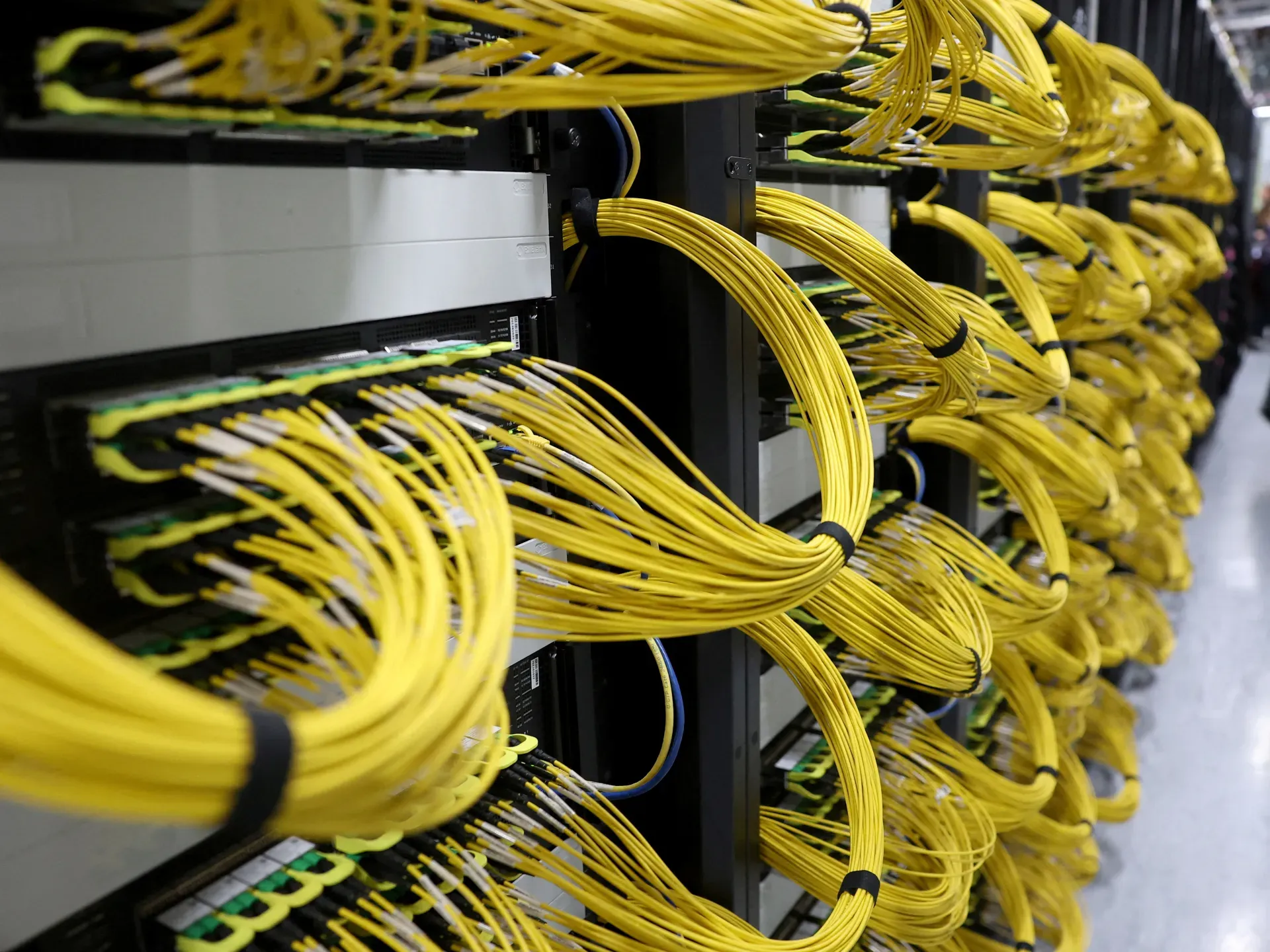
Neocloud firms are specialized data centre companies that provide high-performance computing power, primarily through leasing expensive hardware. They act as intermediaries that offer the specialized infrastructure required by major AI developers like OpenAI and Anthropic, often filling niches that larger hyperscalers cannot immediately address.
Why is the debt in this sector considered high?
Debt is high because the specialized AI hardware required for these operations must be purchased upfront with massive capital. To fund this, firms use their long-term customer contracts and the hardware itself as collateral to secure billions of dollars in loans to fuel expansion.
How did crypto mining influence the AI sector?
Many current neocloud providers, such as CoreWeave and IREN, originated as cryptocurrency mining operations. They leveraged their existing data centre infrastructure and hardware expertise to pivot into the AI market when the demand for massive computing power surged in 2022.
What happens if AI spending decreases?
If major tech companies reduce their AI capital expenditure, neocloud firms face immediate revenue risks. Because their business models are highly leveraged, even a moderate reduction in spending by customers like Microsoft or Google can lead to significant stock volatility and debt servicing challenges.
Are all neocloud firms at risk of failing?
While all face risks, smaller firms are considered more vulnerable to consolidation or failure. Analysts suggest that while some will survive the inevitable market shifts, many smaller players may face "guppy-level death" as the industry consolidates around the most financially stable providers.
Key takeaways
- Neocloud firms like CoreWeave face significant debt, with CoreWeave holding $35.1bn in liabilities.
- Gartner predicts 80% of neocloud firms may cease independent operations by 2030.
- Many neocloud providers transitioned from the cryptocurrency mining industry to AI infrastructure.
- The sector is highly sensitive to the capital expenditure decisions of Big Tech hyperscalers.
- Power supply shortages and rising interest rates pose additional operational and financial risks.
The outlook for AI infrastructure providers
The neocloud sector currently sits at a crossroads between unprecedented growth and systemic financial fragility. While demand for computing power continues to outstrip supply, the heavy reliance on debt and the extreme concentration of their customer base create a high-stakes environment. The coming months, particularly as major AI players like Anthropic and OpenAI approach potential public offerings, will likely provide the first clear indicators of whether this infrastructure-heavy model can sustain itself through the next phase of the AI evolution.